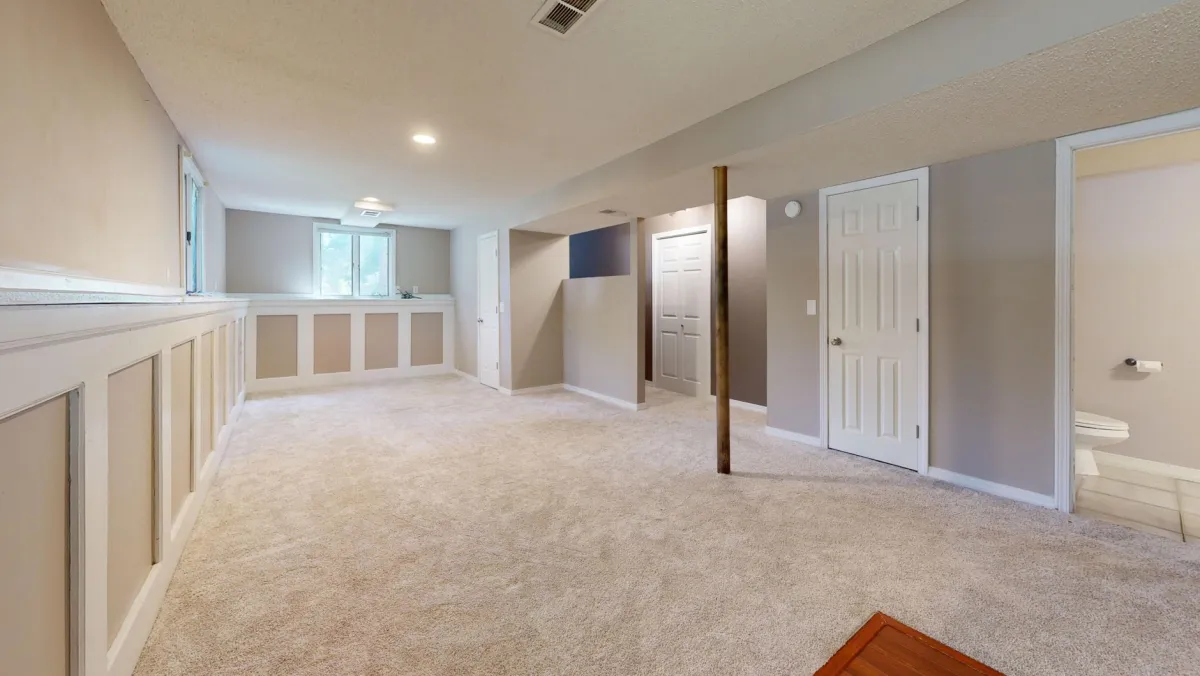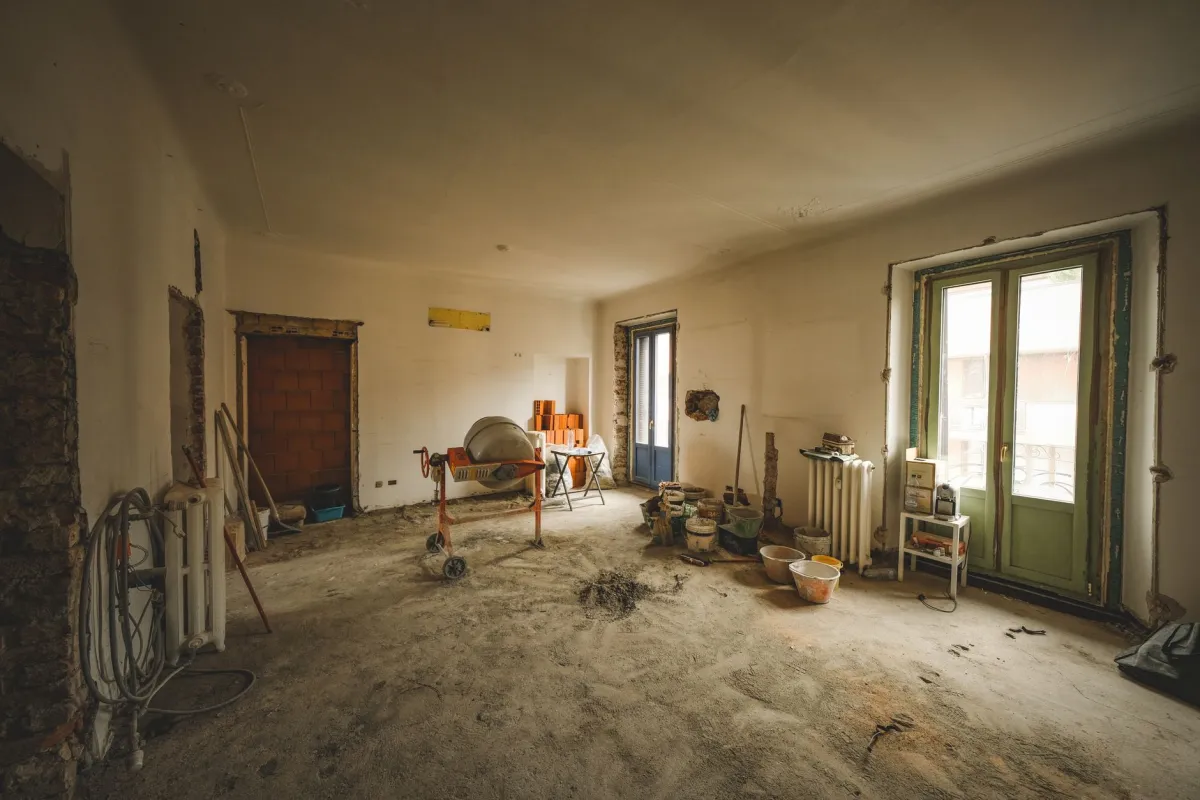
Proper preparation before construction begins reduces stress, prevents damage to your belongings, and helps the project start on time. Here is a practical guide to getting your home ready.
Before Construction Begins
Finalize All Decisions
Before the first hammer swings, confirm every material selection: cabinets, countertops, tile, fixtures, paint colors, hardware. Mid-project changes are the number one cause of delays and cost overruns. Your contractor needs these decisions locked in to order materials and schedule subcontractors.
Understand the Scope and Schedule
Review the contract and schedule with your contractor. Know which rooms will be affected, which days crews will be on site, and what the daily work hours are. Ask about the sequence: demolition first, then framing, rough plumbing and electrical, inspections, drywall, finishes.
Establish Access
Decide how the crew will access your home each day. Will they have a key, a lockbox code, or will someone be home? Determine which exterior doors and driveway areas they can use for material deliveries and equipment.
Protecting Your Home and Belongings
Clear the Work Zone
Remove everything from the rooms being renovated: furniture, decor, small appliances, clothing from closets, and personal items. For kitchen remodels, empty all cabinets and drawers. For bathroom remodels, remove toiletries, towels, and medicine cabinet contents.
Protect Adjacent Areas
Dust travels. Even with barriers in place, fine construction dust can settle throughout the home. Cover furniture in adjacent rooms with drop cloths or plastic sheeting. Consider temporarily storing valuables, electronics, and artwork in a room furthest from the work zone.
Protect Floors
If contractors will be walking through finished areas to reach the work zone, protect those floors. Professional contractors typically lay floor protection (Ram Board, builder's paper, or carpet film), but confirm this is in the plan.
Secure Valuables
Lock up jewelry, cash, important documents, and sensitive items. Not because contractors are untrustworthy, but because multiple workers and subcontractors may be in your home over weeks. It is a sensible precaution.
Managing Daily Life During Construction
Kitchen Remodels
Set up a temporary kitchen in another room. A folding table, microwave, mini-fridge, electric kettle, and toaster oven can cover basic meal preparation. Budget for more takeout than usual -- cooking options will be limited.
Bathroom Remodels
If you have a second bathroom, designate it as the primary during construction. If you have only one bathroom, discuss timing with your contractor. Most will prioritize keeping the toilet functional or arrange a portable facility if needed.
Noise and Disruption
Construction is noisy. Power saws, hammering, and demolition are part of the process. If you work from home, plan to use noise-canceling headphones or work from a different location on heavy demolition days.
Pets and Children Safety
Construction sites are hazardous. Open walls, exposed nails, power tools, and chemicals are all present during a renovation.
- Children: Keep children out of the work zone at all times. Establish clear boundaries. Explain that the construction area is off-limits.
- Pets: Keep pets confined to a safe area away from construction. Open exterior doors, loud noises, and unfamiliar workers can cause pets to escape or become anxious. Consider daycare or a friend's house on heavy demolition days.
Communication with Your Contractor
Good communication prevents most renovation problems. Establish these practices before work begins:
- Single point of contact: Know who to call with questions (typically the project manager or lead contractor). Avoid giving instructions to individual workers, which can cause confusion.
- Regular updates: Agree on how often you will get progress updates (daily text, weekly walkthrough, etc.).
- Change order process: Understand how changes are handled. Any scope change should be documented in writing with cost and timeline impact before proceeding.
- Issue reporting: If something seems wrong, raise it immediately. Small issues caught early are easier and cheaper to fix than problems discovered after drywall is up.
Altieri & Sons prioritizes clear, responsive communication throughout every project. Read about our approach or get in touch with questions.
Pre-Renovation Checklist
Use this checklist in the week before construction starts:
- All material selections finalized and confirmed with contractor
- Contract signed with scope, schedule, payment terms, and warranty
- Work zone completely cleared of personal belongings
- Adjacent rooms protected (furniture covered, valuables secured)
- Temporary kitchen or bathroom setup ready (if applicable)
- Contractor access plan established (keys, codes, entry points)
- Neighbors notified about upcoming construction noise and parking
- Pet and childcare arrangements in place for demolition days
- Important documents, jewelry, and electronics secured
- Parking arrangements for contractor vehicles and deliveries confirmed
- Home's HVAC filters checked (heavy dust will clog them faster)
Planning a Renovation?
Altieri & Sons walks every homeowner through preparation before work begins. We believe a well-prepared project is a successful project.
Frequently Asked Questions
How far in advance should I prepare for a renovation?
Start preparing 2-4 weeks before construction begins. This gives you time to clear rooms, finalize material selections, set up temporary spaces, and handle any last-minute logistics.
Should I stay home during the renovation?
For most projects, staying home is fine. Contractors set up dust barriers and work within defined hours. For large whole-home renovations, some homeowners choose to stay elsewhere during the noisiest phases.
What if I find something unexpected during demolition?
Unexpected discoveries (hidden water damage, outdated wiring, mold) are common, especially in older homes. This is why a contingency budget (10-20% of the project cost) is essential. Your contractor will document the issue, present options, and get your approval before proceeding.