Why Remodel Your Home?
Homeowners in Bucks County remodel for many reasons: updating an aging layout, increasing property value, improving energy efficiency, or simply creating a space that better fits how their family lives today. According to the National Association of Realtors' 2024 Remodeling Impact Report, homeowners consistently report high satisfaction scores for kitchen and bathroom remodels, with many recovering a significant percentage of project costs at resale.
Whether you own a historic stone farmhouse in Doylestown, a mid-century split-level in Warrington, or a newer colonial in Yardley, strategic remodeling can add both comfort and equity. The key is knowing what to prioritize, how to budget, and who to hire.
Planning Your Remodel
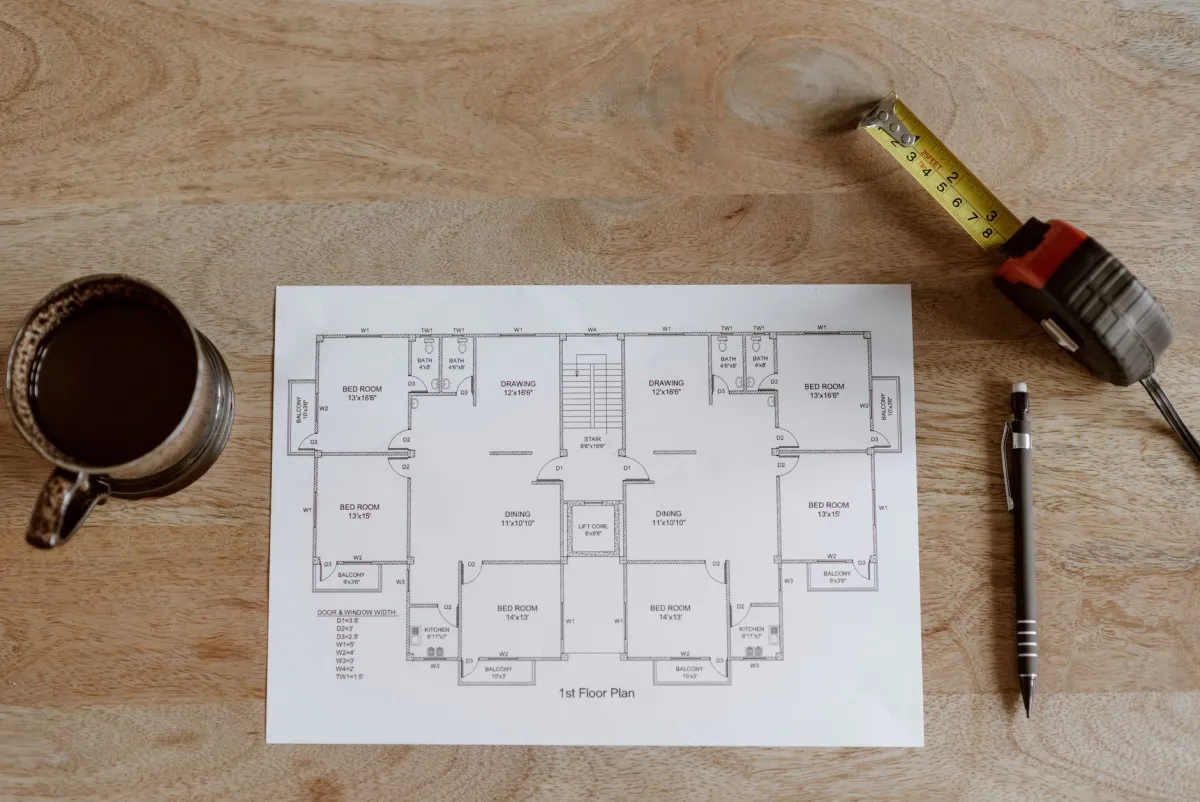
A successful remodel starts well before any walls come down. Careful planning prevents costly surprises and ensures the finished product matches your vision.
Define Your Goals
Start by listing what you want to accomplish. Are you expanding a kitchen to accommodate a growing family? Adding a bathroom for aging-in-place accessibility? Replacing a deteriorating roof before winter? Each goal shapes the scope, timeline, and budget of the project.
Prioritize Must-Haves vs. Nice-to-Haves
Once you have a full wish list, rank items by importance. Must-haves are non-negotiable (structural repairs, code-required upgrades, safety issues). Nice-to-haves are upgrades you would love but can defer if the budget gets tight (decorative tile backsplash, upgraded lighting fixtures, custom built-ins).
Research Before You Commit
Visit showrooms, browse manufacturer catalogs, and collect samples. Knowing what materials cost before you get estimates helps you have informed conversations with contractors. Many Bucks County supply houses allow homeowners to visit and compare products in person.
Setting a Realistic Budget
Budgeting is the single most important step in remodeling. Underfunding a project leads to cut corners, unfinished work, or financial stress.
How to Estimate Costs
General remodeling costs depend on the project scope, materials, labor market, and your home's existing conditions. Kitchens and bathrooms tend to be the most expensive per square foot because they involve plumbing, electrical, tiling, and cabinetry. Structural work like additions or basement finishing involves permits, engineering, and foundation work that adds to the cost.
Get at least three written estimates from licensed contractors. A detailed estimate should break costs into labor, materials, permits, and a contingency line item. Be wary of estimates that seem unusually low -- they may indicate cut corners, unlicensed labor, or hidden fees.
Build in a Contingency
Industry standard practice is to set aside 10-20% of your project budget for unexpected issues. In older Bucks County homes, hidden problems like knob-and-tube wiring, lead paint, asbestos insulation, or water damage behind walls are not uncommon. Having a contingency fund keeps the project moving without panic decisions.
Financing Options
Many homeowners use home equity loans, home equity lines of credit (HELOCs), or personal loans to fund large remodeling projects. Some contractors -- including Altieri & Sons -- offer financing options to help spread costs over time. Compare interest rates and terms before committing.
Permits and Regulations in Bucks County
Most significant remodeling work in Bucks County requires a building permit from the local municipality or Bucks County's designated code enforcement office. Pennsylvania follows the Uniform Construction Code (UCC), which adopts the International Building Code (IBC) and International Residential Code (IRC) as the baseline standards.
When You Need a Permit
Generally, permits are required for:
- Structural changes (removing or adding walls, changing rooflines)
- Electrical work beyond simple fixture swaps
- Plumbing additions or relocations
- HVAC system changes
- New roofing (in many municipalities)
- Additions, decks, and sunrooms
- Window or door openings that alter structural framing
Cosmetic updates like painting, flooring replacement (without subfloor structural work), and cabinet refacing typically do not require permits.
The Inspection Process
After pulling a permit, work is inspected at key stages: rough framing, rough electrical, rough plumbing, insulation, and a final inspection. Passing inspections confirms the work meets code requirements and protects the homeowner if insurance claims or resale disclosures arise later.
A reputable contractor handles the permit process and coordinates inspections. Be cautious of any contractor who suggests skipping permits to save time or money -- unpermitted work can create serious legal and financial problems during a home sale.
Understanding the Timeline
Remodeling timelines vary widely based on project complexity:
- Bathroom remodel: 3-6 weeks for a standard renovation
- Kitchen remodel: 4-10 weeks depending on scope and custom elements
- Roof replacement: 1-5 days for most residential roofs
- Basement finishing: 4-8 weeks including framing, electrical, plumbing, and finishes
- Home addition: 2-4 months from foundation to completion
Lead times for custom materials (countertops, special-order cabinets, custom windows) can add 2-8 weeks to the schedule. Order materials early to avoid delays once demolition begins.
Weather is also a factor in Bucks County. Exterior work like roofing, siding, and concrete is weather-dependent. Scheduling exterior projects during spring or fall avoids the extremes of summer heat and winter freezes.
Hiring the Right Contractor
The contractor you choose determines whether your remodel is a great experience or a stressful ordeal. Here is what to look for:
- Licensing and insurance: Pennsylvania requires contractors to register with the PA Attorney General's office for home improvement work. Verify active general liability and workers' compensation insurance.
- References and portfolio: Ask for recent project photos and homeowner references in your area. A strong portfolio demonstrates consistent quality.
- Written contract: Never proceed without a written contract that includes scope of work, materials, timeline, payment schedule, change order process, and warranty terms.
- Communication style: Your contractor will be in your home for weeks or months. Clear, responsive communication prevents misunderstandings.
Altieri & Sons Construction has been serving Bucks County homeowners since 1976 with full-service remodeling, from kitchens and bathrooms to roofing and additions. Request a free estimate to discuss your project.
Most Popular Remodeling Projects
Across Bucks County and the Greater Philadelphia region, these projects consistently rank among the most requested:
Kitchen Remodeling
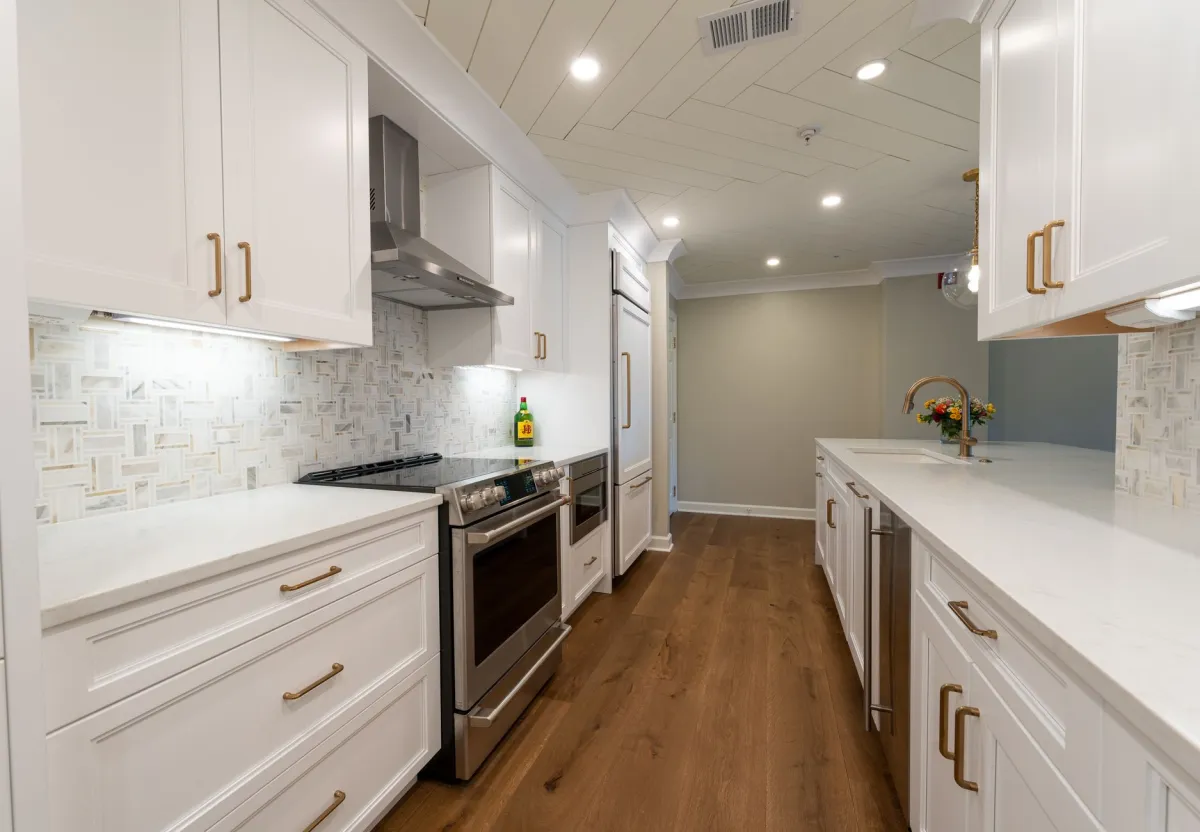
The kitchen is the center of most homes. Popular upgrades include new cabinetry, quartz or granite countertops, tile backsplashes, modern lighting, and open floor plans that connect the kitchen to living areas. Learn more about kitchen remodeling services.
Bathroom Renovation
Bathroom projects range from cosmetic refreshes (new vanity, fixtures, paint) to full gut renovations with custom tile showers, heated floors, and accessibility features. See Altieri's bathroom remodeling options.
Roofing and Exterior Work
A sound roof protects everything underneath it. Homeowners frequently combine roof replacement with new siding, gutters, and window upgrades for a comprehensive exterior renovation. Explore roofing services.
Basement Finishing
Finishing a basement adds usable living space without expanding the home's footprint. Common configurations include family rooms, home offices, guest suites, and home gyms. Discover basement finishing options.
Maximizing Your Return on Investment
Not every remodeling project delivers the same return. According to Remodeling Magazine's annual Cost vs. Value Report, projects that tend to recoup the highest percentage of their cost at resale include:
- Garage door replacement: Consistently one of the highest ROI projects
- Manufactured stone veneer: Curb appeal improvements perform well
- Minor kitchen remodel: Updates to existing layout rather than full redesigns
- Siding replacement: Fiber cement or vinyl siding refreshes the exterior
- Window replacement: Energy savings and aesthetic improvements
The best project for your home depends on its current condition, the local real estate market, and your plans (staying long-term vs. selling soon). A free consultation can help you prioritize.
Ready to Start Your Remodel?
Altieri & Sons Construction has been building better homes in Bucks County since 1976. Licensed, insured, and family-owned.
Frequently Asked Questions
How long does a home remodel take?
Timelines depend on the project scope. A bathroom remodel typically takes 3-6 weeks, a kitchen 4-10 weeks, and a home addition 2-4 months. Custom material lead times and permit processing can extend the schedule.
Do I need a permit to remodel my home in Bucks County?
Most structural, electrical, plumbing, and HVAC work requires a building permit under Pennsylvania's Uniform Construction Code (UCC). Cosmetic changes like painting and flooring typically do not. A qualified contractor handles the permit process.
How much should I budget for contingency?
Industry standard is 10-20% of the project budget for unexpected issues. Older homes in Bucks County may have hidden conditions like outdated wiring, lead paint, or water damage that require additional work once walls are opened.
Should I live in my home during a remodel?
For most projects, yes. Contractors set up dust barriers and minimize disruption. For extensive whole-home renovations involving plumbing and electrical shutdowns, temporary relocation may be more comfortable.