A kitchen remodel is a major investment. Avoiding these common mistakes can save you thousands of dollars and months of frustration.
1. Not Setting a Realistic Budget
The most common mistake is starting a remodel without a clear, realistic budget. Homeowners often underestimate costs by focusing on the visible upgrades (cabinets, countertops) while overlooking behind-the-scenes expenses (electrical upgrades, plumbing modifications, permit fees, demolition and disposal).
How to avoid it: Get detailed estimates before committing. Include line items for every trade involved: demolition, framing, electrical, plumbing, cabinetry, countertops, tile, flooring, painting, and cleanup. Add a 10-20% contingency on top. Read our kitchen cost guide for a detailed breakdown.
2. Ignoring the Work Triangle
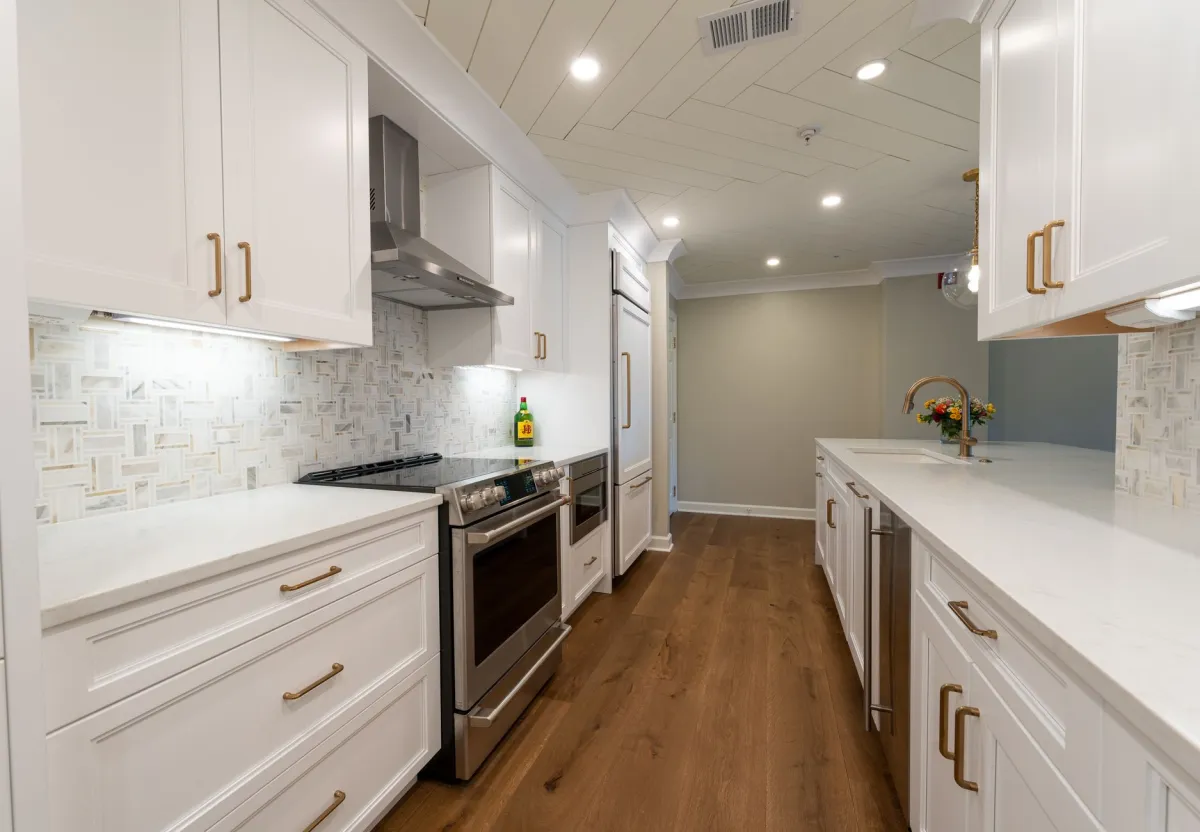
The work triangle -- the relationship between the sink, stove, and refrigerator -- is a fundamental principle of kitchen design. These three stations should form a rough triangle with no leg shorter than four feet or longer than nine feet, according to the National Kitchen and Bath Association (NKBA) guidelines.
A poorly planned layout makes cooking inconvenient and reduces the kitchen's functionality, regardless of how beautiful the materials are.
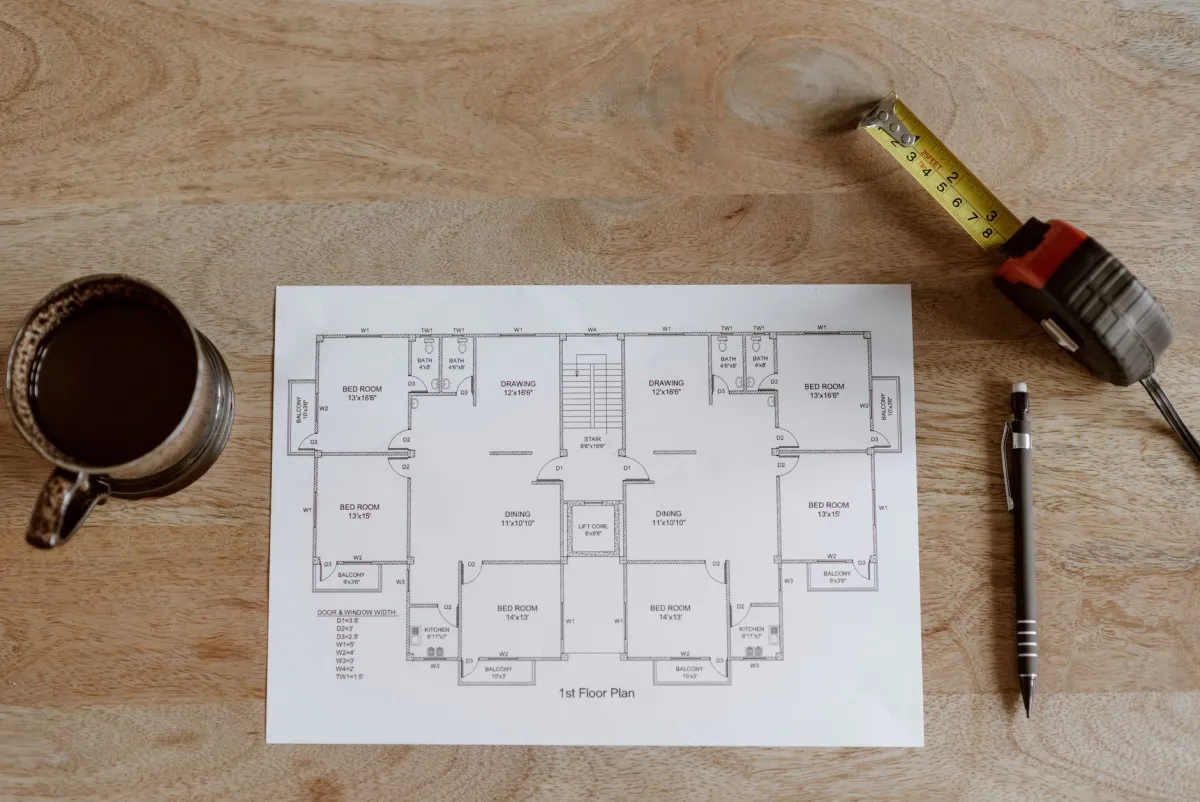
How to avoid it: Work with your contractor or a kitchen designer to evaluate the layout before selecting materials. Sometimes small changes (moving the dishwasher, relocating the trash pull-out) dramatically improve flow.
3. Choosing Cabinets Based on Price Alone
Cabinets are the backbone of the kitchen. The cheapest option may look acceptable in a showroom but fail within a few years. Particle board boxes, thin shelves, and flimsy drawer guides degrade quickly with daily use.
How to avoid it: Focus on the cabinet box construction (plywood boxes are more durable than particle board), drawer slide quality (soft-close, full-extension), and hinge quality. Semi-custom cabinets from reputable manufacturers offer the best balance of quality and value for most homeowners.
4. Underestimating Lighting Needs
Many homeowners plan a single ceiling fixture and call it done. A well-lit kitchen requires layered lighting:
- Task lighting: Under-cabinet LED strips that illuminate countertops where you chop, read recipes, and prepare food.
- Ambient lighting: Recessed ceiling lights or a central fixture that provides overall illumination.
- Accent lighting: Pendant lights over an island or peninsula, in-cabinet lights for glass-front doors.
How to avoid it: Plan lighting during the design phase, before drywall goes up. Adding circuits and fixtures after the walls are closed is expensive. The International Residential Code (IRC) requires certain minimum lighting and outlet placements in kitchens, but good design goes beyond code minimums.
5. Skipping the Contingency Fund
Unexpected issues are not a possibility in remodeling -- they are a near-certainty. Especially in older Bucks County homes, opening walls commonly reveals:
- Outdated or undersized electrical wiring
- Galvanized or corroded plumbing
- Water damage or mold behind surfaces
- Framing that does not meet current code
- Asbestos in floor tiles or insulation (homes built before 1980)
How to avoid it: Set aside 10-20% of your total budget as a contingency fund. If you do not use it, great -- it stays in your pocket. If you need it, it keeps the project moving without panic.
6. Chasing Trends Over Function
Design trends come and go. Open shelving looks great in magazine photos but collects dust and requires constant organization. Ultra-slim countertop edges are on trend but may chip more easily. Matte black fixtures are popular now but may feel dated in five years.
How to avoid it: Choose timeless elements for the big-ticket items (cabinets, countertops, flooring) and express trends through easily swappable elements (hardware, light fixtures, backsplash, paint). This approach lets you update the look without a full renovation.
7. DIY on Complex Work
Some kitchen tasks are well-suited for DIY: painting walls, installing hardware, and basic tile backsplashes. But electrical, plumbing, gas line, and structural work should always be done by licensed professionals.
DIY errors in these areas can create fire hazards, water damage, gas leaks, and code violations that will need to be corrected by a professional anyway -- often at greater cost than doing it right the first time.
How to avoid it: Be honest about your skill level. Hire professionals for anything that requires a permit or involves water, gas, or electrical systems.
8. Hiring the Wrong Contractor
Choosing a contractor based solely on the lowest bid, or hiring without verifying credentials, is a recipe for problems. Unregistered contractors, those without insurance, or those who refuse to put the agreement in writing expose homeowners to financial and legal risk.
How to avoid it: Follow our contractor selection guide. Verify registration, insurance, references, and get everything in writing. Get an estimate from Altieri & Sons, a licensed and insured family contractor since 1976.
Plan Your Kitchen Remodel the Right Way
Altieri & Sons helps homeowners avoid costly mistakes with honest guidance, transparent pricing, and quality craftsmanship.
Frequently Asked Questions
What is the biggest mistake in kitchen remodeling?
Not setting a realistic budget that accounts for all trades, materials, permits, and a contingency fund. Underestimating costs leads to cut corners or unfinished projects.
Should I buy my own materials or let the contractor supply them?
Most homeowners benefit from letting the contractor source materials. Contractors often get trade pricing, can coordinate delivery timing, and accept responsibility for defects. If you supply your own materials, understand that the contractor typically cannot warranty items they did not select.
How do I avoid kitchen remodel delays?
Finalize all material selections before demolition. Order long-lead items (custom cabinets, special-order countertops) early. Avoid making changes once construction begins. A clear scope of work in the contract prevents misunderstandings.