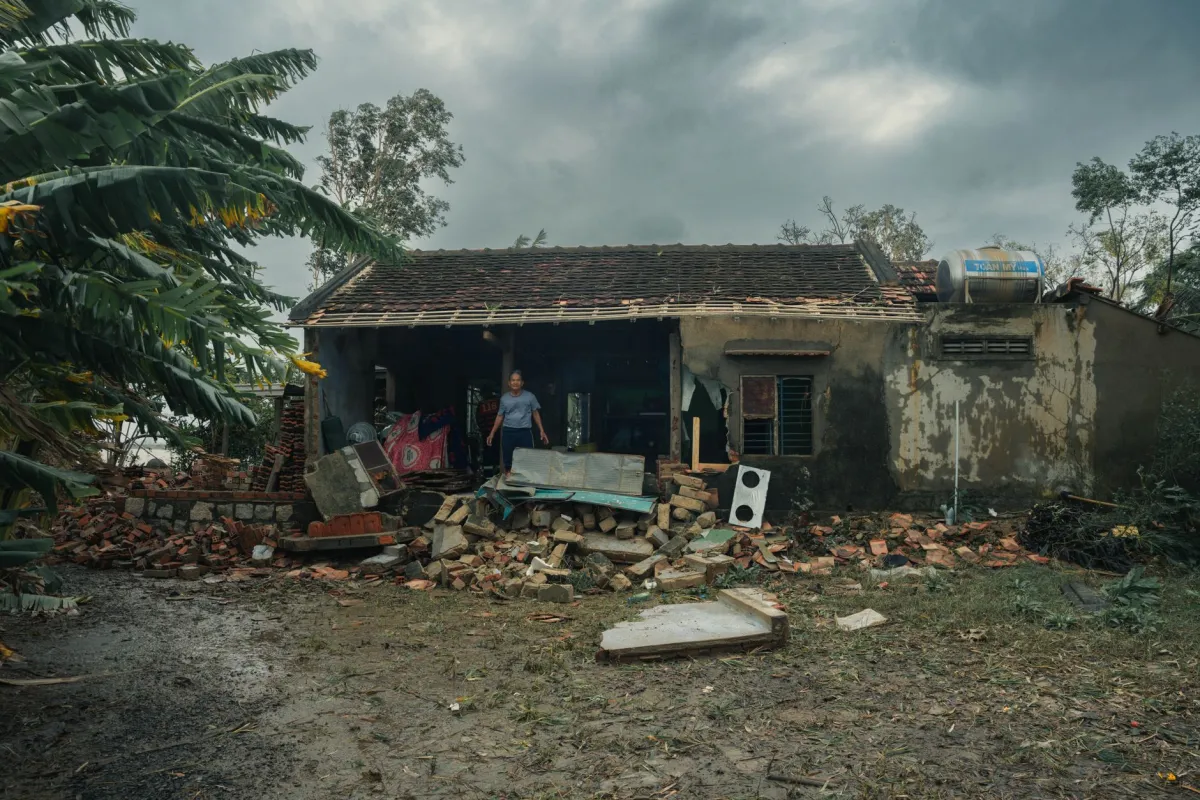
Pennsylvania winters bring freezing temperatures, heavy snow, and ice. Preparing your home properly in the fall prevents costly damage and keeps your family safe and comfortable through the cold months.
Inspect Roof and Clean Gutters
Your roof is your home's first defense against winter weather. A thorough inspection in October or early November identifies issues before snow and ice create bigger problems.
What to check:
- Missing, cracked, or curling shingles that could allow leaks
- Damaged flashing around chimneys, vents, and skylights
- Sagging areas that indicate structural issues or trapped moisture
- Clogged gutters and downspouts that prevent proper drainage
Clean gutters are critical. Clogged gutters cause water to back up under shingles, freeze into ice dams, and potentially cause thousands of dollars in interior damage. If your home has mature trees nearby, plan to clean gutters at least twice in fall as leaves drop.
Ice dam prevention: Proper attic insulation and ventilation keep your roof cold, preventing the freeze-thaw cycle that creates ice dams. If you notice ice buildup at your roof edges each winter, the root cause is usually warm air leaking from your living space into the attic. Get a roof inspection from Altieri & Sons to identify problems before winter arrives.
Service Your Heating System
Heating system failures peak in December and January when systems are working hardest. An annual service appointment in October catches problems before they leave you without heat on a 20-degree night.
Professional service includes:
- Inspecting and cleaning the heat exchanger (furnace) or boiler components
- Testing safety controls and carbon monoxide detectors
- Checking gas connections for leaks (gas systems)
- Lubricating moving parts and replacing worn components
- Testing thermostat calibration and system cycling
What you can do: Replace furnace filters monthly during heating season. Dirty filters reduce efficiency, increase energy costs, and strain the blower motor. Keep vents and returns clear of furniture and drapes to maintain proper airflow.
If your heating system is more than 15 years old or requires frequent repairs, consider replacement before winter. Modern high-efficiency systems pay for themselves through lower energy bills and are far more reliable.
Seal Windows and Doors
Air leaks around windows and doors waste heating energy and create uncomfortable cold drafts. According to the U.S. Department of Energy, sealing air leaks can reduce heating costs by 10-20%.
How to find leaks: On a windy day, hold a lit incense stick or candle near window frames, door frames, and baseboards. Smoke that wavers or blows horizontally indicates an air leak.
Sealing solutions:
- Weatherstripping: Apply adhesive-backed foam or V-strip weatherstripping to door and window frames. Replace old weatherstripping that has compressed or torn.
- Caulk: Use exterior-grade caulk to seal gaps between window trim and siding. Interior caulk works for gaps between trim and drywall.
- Door sweeps: Install or replace door sweeps on exterior doors to block the gap at the threshold.
- Window film: Shrink-wrap window insulation kits create an insulating air pocket and are especially effective for drafty older windows.
If windows are rotted, have broken seals (fogging between panes), or are single-pane, replacement may be the best long-term solution. New energy-efficient windows reduce heating costs year after year.
Protect Your Plumbing
Frozen pipes are one of the most common and costly winter home disasters. When water freezes, it expands with tremendous force, splitting pipes and causing flooding once temperatures rise.
Outdoor plumbing tasks:
- Disconnect and drain garden hoses. Store them indoors.
- Shut off exterior faucet supply valves from inside the home (usually in the basement).
- Open outdoor faucets to drain any remaining water.
- Install insulated faucet covers on outdoor spigots for extra protection.
Indoor plumbing protection:
- Insulate pipes in unheated areas (basement, crawl space, garage, attic) with foam pipe insulation.
- Seal air leaks near pipes that let cold air in from outside.
- Open cabinet doors under sinks on exterior walls during extreme cold to allow warm air circulation.
- Let faucets drip slightly during severe cold snaps (moving water is less likely to freeze).
If you plan to be away from home for more than a day during winter, set your thermostat no lower than 55 degrees and ask someone to check your home daily.
Prepare Exterior Surfaces
Siding and trim: Walk around your home and look for cracks, gaps, or damage in siding and trim. Water intrusion through these openings expands when it freezes, making the damage worse. Repair issues now to prevent winter deterioration.
Concrete and masonry: Seal cracks in concrete driveways, walkways, and foundation walls with concrete crack filler. Water that seeps into cracks, freezes, and expands causes the concrete to spall and crumble. Learn more about concrete repair to address serious damage.
Decks and porches: Clear leaves and debris from deck boards to prevent moisture trapping and rot. Check for loose boards, railings, or stairs. Apply a water-repellent sealer if the wood is bare or shows signs of weathering. Deck repair and maintenance prevents small problems from becoming major structural issues.
Trim trees: Remove dead or damaged branches that could fall on your home, vehicles, or power lines during ice or snow storms. Pennsylvania ice storms can bring down large limbs without warning.
Inspect Chimney and Fireplace
If you burn wood or use a gas fireplace, an annual chimney inspection and cleaning protects your home from chimney fires and carbon monoxide intrusion.
Creosote buildup: Wood smoke creates creosote, a flammable tar-like substance that accumulates inside the chimney. A chimney fire can reach temperatures over 2,000 degrees and spread to the home structure. The National Fire Protection Association (NFPA) recommends annual inspection and cleaning.
What a professional inspection includes:
- Checking the flue for cracks, obstructions, and creosote buildup
- Inspecting the chimney cap and crown for damage
- Testing the damper operation
- Verifying proper draft and venting
Install carbon monoxide detectors on every level of your home, especially near bedrooms. Test them monthly and replace batteries annually.
Create an Emergency Kit
Pennsylvania winter storms can cause power outages lasting hours or even days. Having supplies on hand keeps your family safe and comfortable.
Essential items:
- Flashlights, batteries, and battery-powered or hand-crank radio
- Bottled water (one gallon per person per day for three days)
- Non-perishable food and manual can opener
- First aid kit and necessary medications
- Blankets and warm clothing
- Battery pack or car charger for cell phones
- Rock salt or ice melt for walkways
- Snow shovel and ice scraper
If you use a backup generator, schedule a service appointment to verify it is working properly. Never run a generator indoors or in a garage, even with the door open -- carbon monoxide poisoning kills quickly.
Get Your Home Winter-Ready
Altieri & Sons can handle roof inspections, exterior repairs, and winter preparation projects to protect your home.
Frequently Asked Questions
When should I winterize my Pennsylvania home?
Start winter preparations in late October or early November, before the first hard freeze. Completing tasks before Thanksgiving gives you time to address any issues before severe weather arrives.
How can I prevent ice dams on my roof?
Proper attic insulation and ventilation are key. Keep your attic cold by sealing air leaks from the living space below and ensuring adequate ridge and soffit vents. Clean gutters prevent ice buildup at roof edges.
Should I leave cabinet doors open during a freeze?
Yes, for cabinets containing plumbing on exterior walls. Opening cabinet doors allows warm air to circulate around pipes, reducing the risk of freezing. Also let faucets drip slightly during extreme cold.