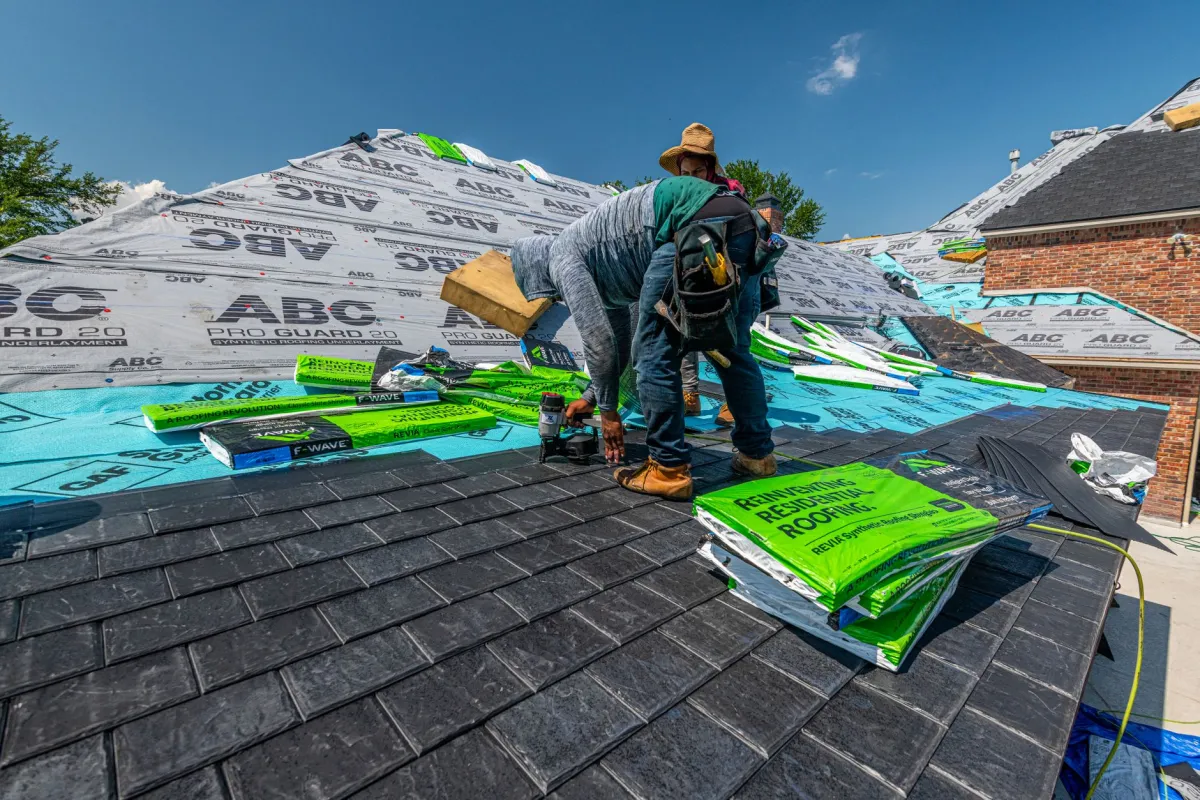
After a severe storm hits Bucks County, roof damage can range from a few missing shingles to catastrophic structural failure. Acting quickly and methodically protects your home and strengthens your insurance claim. Here is what to do.
Step 1: Safety First
Before inspecting anything, ensure your family's safety:
- Stay off the roof. Never climb onto a damaged roof. Wet surfaces, loose materials, and hidden structural damage create serious fall hazards.
- Check for downed power lines. Stay at least 35 feet away and call your utility company to report them.
- Evacuate if structure is compromised. If you see sagging ceilings, hear cracking sounds, or smell gas, leave the house and call 911.
- Turn off electricity to affected areas if water is actively entering the home near outlets, light fixtures, or the electrical panel.
Step 2: Document the Damage
Thorough documentation strengthens your insurance claim. From the ground level:
- Photograph all visible exterior damage from multiple angles: missing shingles, damaged gutters, broken siding, dented flashing, fallen branches
- Photograph any interior damage: water stains on ceilings and walls, dripping water, damaged drywall, wet insulation visible in the attic
- Note the date and time of the storm
- Write a brief description of the storm conditions (wind, hail, tornado warning, etc.)
- Save weather reports or alerts from that day (screenshots from weather apps or the National Weather Service)
Do not dispose of damaged materials until your insurance adjuster has inspected them. Keep fallen shingles, broken gutters, and damaged items as evidence.
Step 3: Prevent Further Damage
Most homeowner's insurance policies require policyholders to take reasonable steps to prevent additional damage after a covered event. This is called "mitigation."
- Tarp exposed areas: If shingles are missing and the underlayment or decking is exposed, a tarp secured with weights or boards provides temporary weather protection. Do this from the ground if possible, or hire a professional.
- Catch interior water: Place buckets under active leaks. Move electronics and valuables away from wet areas.
- Board up broken windows: If wind broke windows, cover them with plywood to prevent rain and debris from entering.
Keep receipts for any emergency supplies or temporary repairs. Your insurance policy typically reimburses reasonable mitigation expenses.
Step 4: File an Insurance Claim
Contact your homeowner's insurance company as soon as possible. Most policies have a time limit for reporting claims.
What to Expect
- Claim number: The insurer assigns a claim number. Keep it for all correspondence.
- Adjuster inspection: An insurance adjuster will visit to assess the damage. Be present during this inspection if possible.
- Scope of coverage: Insurance covers sudden, accidental damage from named perils (wind, hail, falling objects). It does not cover pre-existing wear, deferred maintenance, or gradual deterioration.
- Deductible: You are responsible for your policy's deductible. Some policies have separate wind/hail deductibles that may be higher than the standard deductible.
Tips for a Smooth Claim
- Share your photos and documentation with the adjuster
- Get a contractor's written estimate before the adjuster visits, if possible
- Do not sign any agreements with contractors until the claim is approved
- Keep copies of all correspondence with your insurer
Step 5: Choose a Qualified Contractor
Once your claim is approved (or if you are paying out of pocket), choose a reputable local contractor for repairs.
- Use a contractor with a physical local address -- not a temporary office set up after the storm
- Verify PA Attorney General registration, general liability insurance, and workers' compensation
- Get a written estimate that matches the scope of your insurance approval
- Check references from non-storm-related work (storm-only contractors may lack track records)
- Never pay the full amount up front. Follow PA law: no more than one-third of the contract price as an initial payment.
Altieri & Sons Construction has been repairing storm-damaged roofs in Bucks County for decades. We provide honest assessments and work directly with your insurance process. Learn about our roofing services.
Warning: Avoid Storm Chasers
After major storms, out-of-town contractors flood affected areas soliciting work door-to-door. These "storm chasers" are a well-documented problem in the roofing industry. Watch for these warning signs:
- They show up unsolicited at your door within days of a storm
- They pressure you to sign a contract immediately
- They offer to waive your insurance deductible (this is often illegal)
- They want you to sign over your insurance check or assign your claim to them
- They use out-of-state license plates, have no local address, or cannot provide local references
- They offer unusually low prices to secure the job quickly
Storm chasers often do substandard work and are gone before problems surface. Warranty claims become impossible to enforce. Stick with established local contractors who will be here to stand behind their work.
Storm Damage? We Can Help.
Altieri & Sons is a local, family-owned contractor headquartered in Doylestown, Bucks County. We provide honest roof inspections, work with your insurance, and stand behind every repair.
Frequently Asked Questions
Does homeowners insurance cover storm damage to a roof?
Most standard homeowner's insurance policies cover sudden storm damage from wind, hail, and falling objects. They do not cover damage from neglected maintenance or gradual wear. Review your policy or call your agent to understand your specific coverage.
How soon should I file a claim after storm damage?
File your claim as soon as possible -- most policies have reporting deadlines. Contact your insurer within 24-48 hours of the storm. Document all damage with photos before making any permanent repairs.
Can I choose my own contractor for insurance repairs?
Yes. You are not required to use a contractor recommended by your insurance company. Choose a contractor you trust who is registered, insured, and experienced with storm damage repair in your area.
What if my roof has both storm damage and pre-existing wear?
Your insurance will cover the storm-related damage but not the pre-existing deterioration. The adjuster will distinguish between the two. An honest contractor will provide a repair scope that addresses only the storm damage covered by your claim.