Whether you are planning a kitchen remodel, a roof replacement, or a full home renovation, these are the questions we hear most from Pennsylvania homeowners. Here are straightforward answers based on PA regulations, industry standards, and decades of experience.
Permits and Regulations
Do I need a permit for my project?
In Pennsylvania, the Uniform Construction Code (UCC) requires building permits for most structural, electrical, plumbing, and mechanical (HVAC) work. This includes additions, roofing (in many municipalities), deck construction, window replacements that alter framing, and bathroom/kitchen remodels that involve plumbing or electrical changes.
Projects that typically do not require permits: interior painting, flooring replacement (without subfloor structural changes), wallpapering, cabinet refacing, and minor landscaping.
Who is responsible for pulling permits?
Your general contractor should handle permits as part of the project. They file the application, pay the fees, coordinate inspections, and obtain the final approval. Be cautious of any contractor who asks you to pull the permit yourself -- this may be an attempt to avoid accountability.
What happens if I skip the permit?
Unpermitted work can result in fines, required removal or correction of the work, complications during a home sale (disclosure requirements), and voided insurance coverage if damage occurs in an unpermitted area. The cost of doing it right the first time is almost always less than the cost of correcting unpermitted work later.
Do different municipalities have different rules?
Yes. While all Pennsylvania municipalities must follow the UCC as a baseline, some adopt additional local ordinances. Bucks County has numerous municipalities -- Doylestown Borough, Doylestown Township, Warrington Township, New Britain, Buckingham, and others -- each with their own code enforcement office and potentially varying interpretations. Your contractor should be familiar with the requirements in your specific area.
Costs and Budgeting
How do I know if an estimate is fair?
Get at least three detailed estimates for comparison. A fair estimate is itemized (labor, materials, permits, disposal), specific about products and brands, and includes a realistic timeline. If one estimate is dramatically lower than the others, ask why -- it may reflect lower-quality materials, unlicensed labor, or an incomplete scope.
How much should I budget for unexpected costs?
Set aside 10-20% of the project budget as a contingency. Older homes (particularly those built before 1970) are more likely to have hidden issues: outdated wiring, lead paint, asbestos, deteriorated subfloors, or plumbing in need of replacement. The contingency protects you from having to halt work or cut corners.
What payment structure is normal?
Under Pennsylvania's Home Improvement Consumer Protection Act (HICPA), a contractor cannot require a down payment exceeding one-third of the total contract price. A typical payment schedule ties payments to project milestones: one-third at contract signing, one-third at the midpoint (rough-in completion), and the final third at project completion and final inspection.
Hiring Contractors
What credentials should a contractor have in PA?
At minimum: registration with the PA Attorney General under HICPA, general liability insurance, and workers' compensation insurance. Subcontractors for electrical, plumbing, and HVAC should hold their own trade licenses as required by the PA UCC. Read our complete contractor selection guide.
Should I hire a general contractor or manage subcontractors myself?
For most homeowners, hiring a general contractor is the better choice. A GC coordinates all trades, manages the schedule, handles permits and inspections, and provides a single point of accountability. Self-managing subcontractors requires construction knowledge, scheduling skill, and significant time commitment.
What should be in the contract?
PA law requires the contract to include: contractor's name, address, and registration number; a detailed description of work; total price and payment schedule; start and completion dates; materials specifications; change order procedures; warranty terms; and your right to cancel within 3 days of signing (for contracts signed in your home).
Project Timelines
How long does each type of project take?
General timelines for common home improvement projects:
- Bathroom renovation: 3-6 weeks
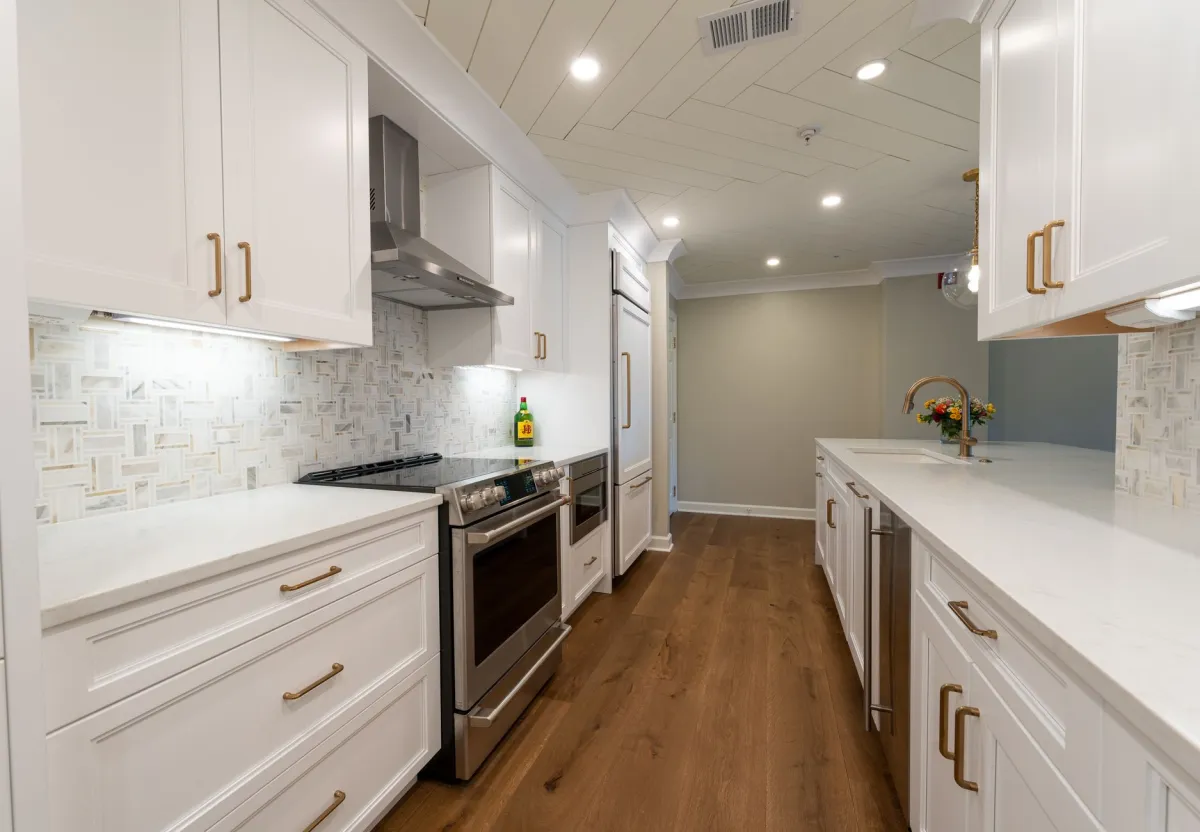
- Kitchen remodel: 4-10 weeks
- Roof replacement: 1-5 days
- Siding replacement: 1-3 weeks
- Window replacement: 1-3 days per window (full house: 1-2 weeks)
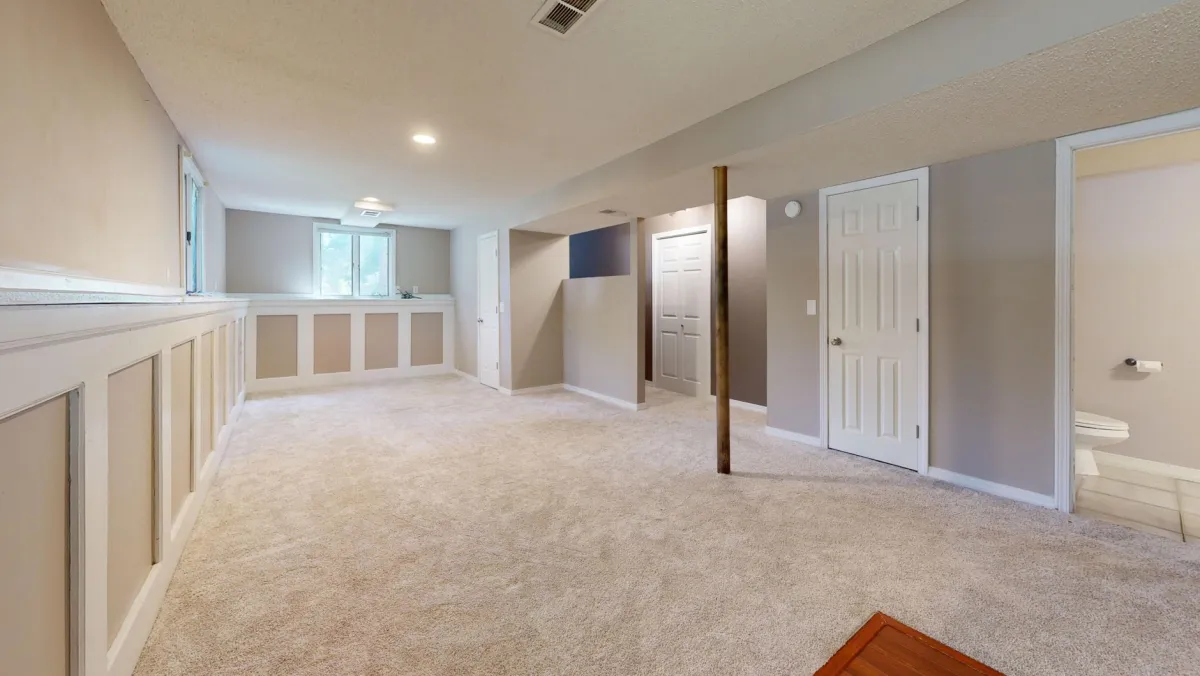
- Basement finishing: 4-8 weeks
- Home addition: 2-4 months
- Deck construction: 1-3 weeks
These estimates assume normal conditions. Custom material lead times, permit processing, and weather (for exterior work) can extend timelines.
What causes delays?
The most common causes: material back-orders, weather (for exterior work), mid-project design changes, permit or inspection delays, and discovery of hidden conditions that require additional work.
Materials and Products
Should I choose premium or standard materials?
It depends on the application and your goals. For high-use surfaces (countertops, flooring, cabinet hardware), investing in durable materials pays off in longevity and reduced maintenance. For less visible elements (subfloor sheathing, interior framing), standard materials that meet code are perfectly adequate.
What is the most durable countertop material?
Quartz is currently the most popular countertop material for its combination of durability, low maintenance, and aesthetic versatility. It is non-porous (does not require sealing), resistant to staining, and available in a wide range of colors and patterns. Granite is also durable but requires periodic sealing.
Are energy-efficient windows worth the investment?
Yes, particularly in Pennsylvania's climate with hot summers and cold winters. ENERGY STAR-certified windows reduce heating and cooling costs. The ENERGY STAR program (administered by the EPA) provides performance standards specific to our climate zone (Northern zone). Federal tax credits may also be available for qualifying energy-efficient improvements -- check EnergyStar.gov for current programs. Learn about Altieri's window replacement services.
Financing Your Project
What financing options are available?
- Home equity loan: Fixed-rate loan using your home's equity as collateral. Best for projects with a known, fixed cost.
- Home equity line of credit (HELOC): Variable-rate revolving credit line. Useful for phased projects or when the total cost is uncertain.
- Personal loan: Unsecured loan with no collateral required. Higher interest rates but faster approval. Good for smaller projects.
- Contractor financing: Some contractors partner with lenders to offer financing directly. Altieri & Sons offers financing options.
- Cash or savings: No interest costs. Ideal if you have the funds available.
Are there tax benefits for home improvements?
Some energy-efficient improvements qualify for federal tax credits under the Inflation Reduction Act. Eligible improvements may include heat pumps, energy-efficient windows and doors, insulation, and electrical panel upgrades to support electrification. Consult a tax professional for specific guidance on current credits and your eligibility.
Have More Questions?
Altieri & Sons is happy to answer your home improvement questions. With nearly 50 years serving Bucks County and the Greater Philadelphia area, we have seen and solved just about everything.
Frequently Asked Questions
How do I find my municipality's code enforcement office?
Search for your municipality name plus 'code enforcement' or 'building permits' online. Bucks County's website also maintains a directory of municipalities and their contact information for permitting.
Is a home inspection the same as a building inspection?
No. A home inspection is a general assessment typically done during a real estate transaction. A building inspection is an official code compliance check performed by a municipal inspector at specific stages of permitted construction work. Both are valuable but serve different purposes.
Can my HOA restrict my home improvements?
Yes. Many homeowners associations in Bucks County and surrounding areas have architectural review committees that must approve exterior changes (paint colors, roof materials, fence styles, additions). Check your HOA covenants before starting any exterior project.