Why Build an Addition in Doylestown
Doylestown homeowners often reach a point where they love their neighborhood but have outgrown their home. Rather than sell and relocate -- losing proximity to Doylestown Borough's walkable downtown, Central Bucks School District, or the community they have built -- a home addition lets them expand their living space while staying put.
Common reasons Doylestown homeowners build additions include:
- Growing families: Adding bedrooms, a playroom, or a second bathroom as children arrive or age into needing their own space.
- Remote work: Creating a dedicated home office that is separate from the main living areas -- a need that has become permanent for many Bucks County professionals.
- Aging in place: Building a first-floor primary suite or in-law suite so homeowners or aging parents can live comfortably on one level.
- Lifestyle upgrades: Expanding kitchens, adding family rooms, or creating mudroom entries that suit how the household actually lives.
Many of Doylestown's older homes -- colonials, ranches, and Cape Cods built in the 1950s through 1980s -- were designed for smaller households and fewer possessions. These homes sit on lots that often have room to expand, making them good candidates for additions.
Types of Home Additions
Single-Story Room Addition
The most common type. A room addition extends the home's footprint outward, adding one or more rooms at ground level. This works well for family rooms, primary suites, home offices, and expanded kitchens. The new space shares a roofline with the existing structure or has its own shed or gable roof that ties into the original.
Second-Story Addition
Adding a full or partial second story to a ranch or Cape Cod home. This approach maximizes living space without using any additional lot area. It requires a structural evaluation of the existing foundation and framing to confirm they can carry the added load. In Doylestown, where many ranches sit on full basements with poured concrete foundations, second-story additions are often feasible.
Sunrooms and Three-Season Rooms
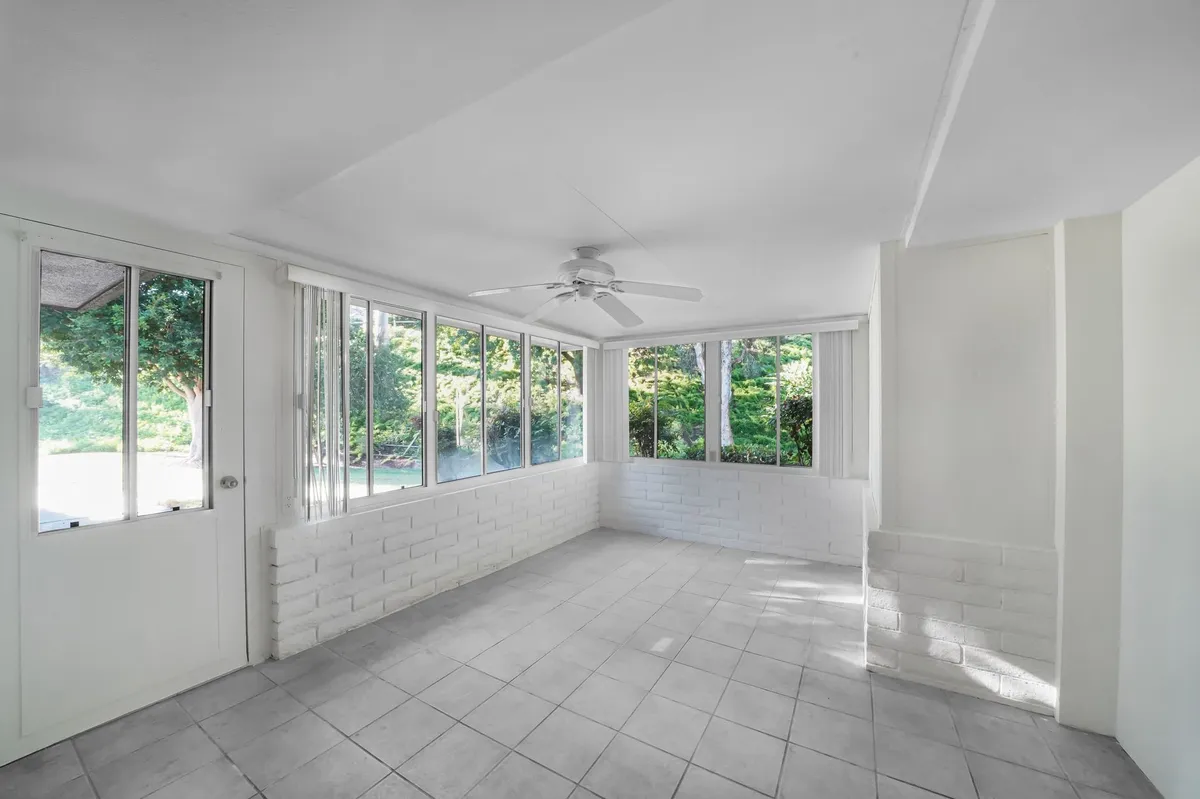
A sunroom adds a bright, glass-walled living space that connects the indoors to the yard. Three-season rooms (unheated) are less expensive to build but are usable only from spring through fall in Bucks County's climate. A four-season sunroom with insulated glass and HVAC extension functions as year-round living space.
In-Law Suites
A self-contained living space -- typically a bedroom, bathroom, and small kitchen or kitchenette -- designed for an aging parent or adult family member. In Doylestown, accessory dwelling regulations may apply depending on the township's zoning ordinance. Check with the local zoning officer before designing an in-law suite with a full kitchen.
Bump-Outs
A small extension (typically 2-4 feet) that expands a single room without requiring a full addition foundation. Bump-outs are effective for enlarging a kitchen eating area, expanding a bathroom, or deepening a family room. They are less disruptive and less expensive than a full room addition.
Permits and Zoning
Home additions in Doylestown require building permits through Bucks County's Department of Building Inspections. Pennsylvania's Uniform Construction Code (UCC) governs residential construction, and the International Residential Code (IRC) provides the technical standards for structural, plumbing, electrical, and mechanical work.
Zoning Setbacks
Before designing an addition, verify the property's zoning setback requirements. Doylestown Borough and Doylestown Township each have their own zoning ordinances that specify how close a structure can be built to the property line (front, side, and rear setbacks). An addition that encroaches on a setback requires a variance from the Zoning Hearing Board, which adds time and uncertainty to the project.
Lot Coverage
Zoning ordinances also limit the percentage of a lot that can be covered by structures and impervious surfaces. A large addition on a smaller lot may exceed the maximum lot coverage, requiring a variance or a reduction in other impervious areas (such as removing a paved area).
Inspections
Building inspections are required at multiple stages: foundation, framing (before walls are closed), rough plumbing, rough electrical, insulation, and final. Each inspection must pass before work proceeds to the next phase. Your contractor schedules these inspections as part of the project timeline.
Planning a Home Addition?
Altieri & Sons Construction has been building home additions across Doylestown and Bucks County since 1976. Licensed, insured, and family-owned.
The Addition Process
A home addition is a multi-phase construction project. Here is what to expect.
Design and Planning
The project begins with architectural design -- determining the size, layout, and how the addition connects to the existing home. For additions that involve structural work, a licensed architect or structural engineer prepares plans that meet code requirements. These plans are submitted with the permit application.
Foundation
Most room additions in Doylestown are built on either a poured concrete foundation (full basement or crawl space) or a concrete slab. The foundation must be sized to carry the structural loads above it and extend below the frost line (36 inches in Bucks County per IRC R403.1.4) to prevent frost heave.
Framing, Roofing, and Exterior
Once the foundation cures, the walls and roof are framed and sheathed. The roofline of the addition should integrate naturally with the existing home to avoid a "tacked on" appearance. Matching the exterior materials -- siding, trim, and roofing -- creates a seamless transition.
Mechanical, Electrical, and Plumbing (MEP)
HVAC ductwork, electrical wiring, and plumbing (if applicable) are roughed in before walls are insulated and closed. Extending the existing HVAC system works when the unit has sufficient capacity; otherwise, a supplemental mini-split system may be needed for the new space.
Insulation, Drywall, and Finishes
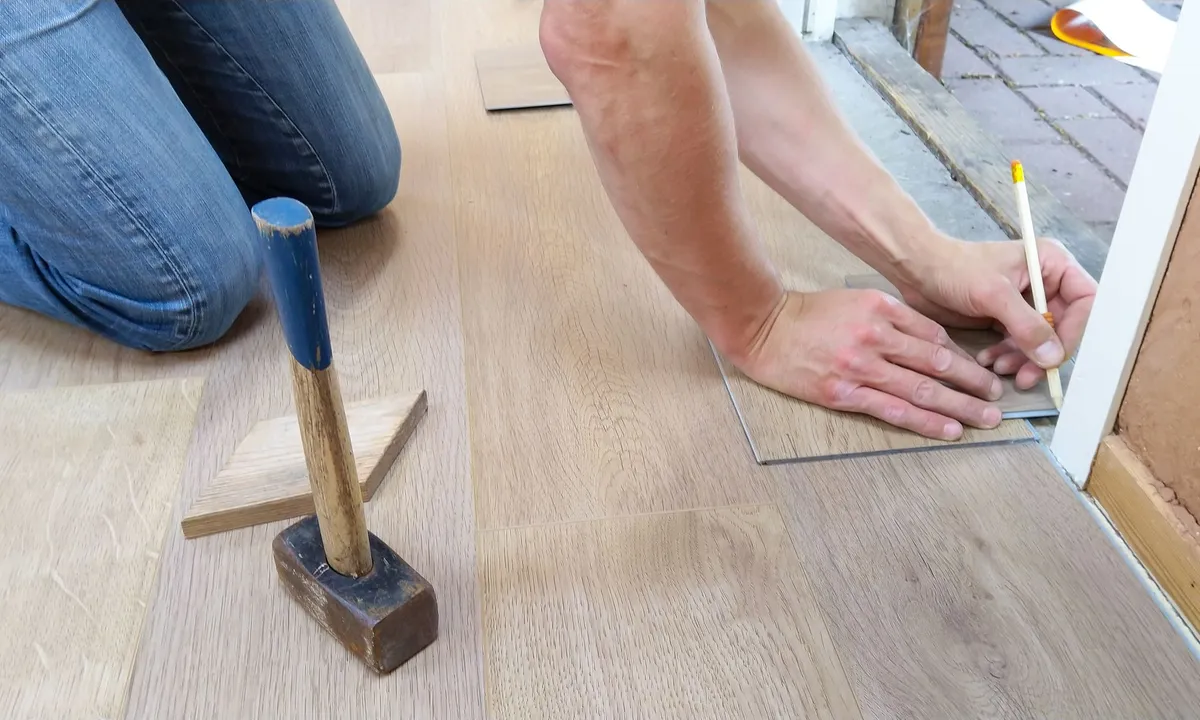
Insulation is installed to meet Pennsylvania's energy code requirements (IECC Climate Zone 4A). Drywall, trim, flooring, paint, and fixtures complete the interior. The connection point between the old and new spaces is finished to eliminate any visible seam.
What Affects the Scope
Several factors influence the complexity and cost of a home addition in Doylestown.
- Foundation type: A full basement foundation under the addition costs more than a slab but adds usable or storage space below.
- Matching exterior materials: Sourcing siding, brick, or stone that matches the existing home can be straightforward for common materials and challenging for discontinued products.
- Roofline integration: A complex roofline -- valleys, dormers, or a roofline change -- adds architectural interest but also cost and construction time.
- Utility capacity: If the existing electrical panel, HVAC system, or water heater lacks capacity for the added space, upgrades are needed.
- Site conditions: Sloped lots, mature trees, underground utilities, and septic system locations can all affect where and how an addition is built.
Hiring a Contractor
A home addition is one of the most complex residential construction projects. It requires coordination between excavation, concrete, framing, roofing, siding, HVAC, plumbing, electrical, insulation, drywall, and finish trades. Working with a general contractor who manages all of these trades ensures that the project stays on schedule and meets code at every stage.
When evaluating contractors for a Doylestown home addition, verify:
- Pennsylvania Home Improvement Contractor (HIC) registration
- General liability and workers' compensation insurance
- A written contract with scope, timeline, payment milestones, and warranty
- Experience with additions specifically -- not just interior remodeling
- References from addition projects in the Bucks County area
Altieri & Sons Construction is headquartered at 340 N. Broad St in Doylestown, PA and has been building home additions, basement finishing, and full-home renovations since 1976. Call 215-416-8783 for a free estimate.
Ready to Expand Your Home?
Altieri & Sons Construction is headquartered in Doylestown, PA, serving homeowners across Bucks County since 1976. Licensed, insured, and committed to quality.
Frequently Asked Questions
Do I need a permit for a home addition in Doylestown, PA?
Yes. Home additions in Doylestown require a building permit from Bucks County. The application must include architectural plans showing the proposed footprint, structural details, and compliance with local zoning setbacks. Plumbing, electrical, and mechanical permits are required separately if the addition includes a bathroom, kitchen, or HVAC extension. Inspections are conducted at foundation, framing, rough-in, and final stages.
How long does a home addition take to build in Doylestown?
A typical single-story room addition takes three to five months from groundbreaking to completion, depending on size and complexity. A second-story addition may take four to seven months. These timelines do not include the design and permitting phase, which typically adds one to three months before construction begins. Weather, material lead times, and inspection scheduling can also affect the overall duration.
Can I add a second story to my Doylestown ranch home?
In many cases, yes, but it requires a structural evaluation of the existing foundation and framing. Not all ranch home foundations were designed to carry the load of a second story. A structural engineer assesses the foundation footings, bearing walls, and soil conditions to determine whether reinforcement is needed. Zoning height restrictions in Doylestown Borough and Township must also be checked before proceeding.
Does a home addition increase property value in Bucks County?
According to the National Association of Realtors' Remodeling Impact Report, home additions that add functional living space -- such as a primary suite, family room, or in-law suite -- typically recover a meaningful share of their cost at resale. The actual return depends on the local market, the quality of construction, and whether the addition integrates seamlessly with the existing home. In Bucks County, where lot sizes and home values support larger footprints, well-executed additions tend to perform well.