The Short Answer
A skylight is a hole deliberately cut in the one surface of your house whose entire job is to keep water out. Done well, it is reliable for decades. Done poorly, it is the most likely place on a roof to leak.
So the first question is never which brand to buy. It is this: is the problem the unit, the flashing around it, or the air inside your house? Three different repairs at three different prices, and a contractor who reaches for caulk before answering is guessing on your roof.
Why So Many Montgomery County Skylights Are Failing at Once
Skylights arrive in waves, and so do their failures. Much of the housing stock across Abington, Cheltenham, Upper Dublin, Horsham, Lansdale, Norristown, and the townships along the Route 309 and 202 corridors was built or remodeled when skylights were standard in kitchens, baths, and finished attics. Those units are now twenty, thirty, and sometimes forty years old.
Most glass skylights are generally expected to serve two to three decades before the seal between the panes gives up, and older acrylic domes often go sooner, since ultraviolet exposure yellows and embrittles plastic in a way it does not affect glass. The result is a county full of homes where an invisible component reached retirement age in the same handful of years.
Pennsylvania weather accelerates it. Winters here swing above and below freezing repeatedly rather than settling in cold, so sealants cycle constantly, and spring brings wind-driven rain that attacks the uphill side of every roof penetration.
Not Sure Whether It Is the Skylight or the Roof?
Altieri & Sons Construction handles skylights as part of complete roofing and windows and doors work throughout Montgomery County. We look at the flashing, the unit, and the ceiling below before anyone quotes a replacement.
Leak, Flashing, or Condensation
Three different problems put water on a ceiling, and timing separates them better than any look from a ladder.
Flashing failure
Water appears during rain, often only from one direction, and may show at a corner rather than evenly around the frame. This is the most common cause by a wide margin, and the unit itself may be fine. Flashing is the layered metal that weaves the skylight into the roof: a pan at the bottom, step pieces up the sides, a head detail at the top. If one lap runs the wrong way, water goes under the roof instead of over it.
Seal failure in the unit
Look at the glass. Permanent haze, a cloudy film, or moisture trapped between the panes that you cannot wipe off from either side means the insulated glazing seal has failed. The unit is finished. No exterior work brings it back, and the glass now performs closer to single pane, which makes condensation below worse.
Condensation
Water appears on cold mornings with no rain, collects evenly around the inside of the frame, and is worst in kitchens, baths, and laundry areas. This is indoor humidity meeting the coldest surface in the room. The fix is better glazing, ventilation below, and shaft insulation. Sealing the roof harder changes nothing.
One more thing to rule out: water travels. A leak showing at a skylight sometimes starts above it, at a chimney, vent boot, valley, or an ice dam at the eave.
Curb-Mounted vs Deck-Mounted
Replacement goes smoothest when you know which family you already have, since the mounting style governs the opening, the flashing, and much of the labor.
Deck-mounted
The unit sits low against the roof sheathing with an integrated flashing kit made for a specific roof covering and pitch. Slim profile, and a weather detail engineered as one assembly rather than improvised on site. This is the usual choice on standard sloped shingle roofs.
Curb-mounted
A raised wooden box, the curb, is built up from the roof framing and the skylight sits on top of it. Curbs appear on low-slope roofs, on older installations, and wherever the glass needs height above snow or standing water. Replacement is straightforward when the curb is sound, and considerably more work when it has rotted, which is common, since a curb is wood sitting in the wettest spot on the roof.
Switching between the two is possible but means rebuilding the opening and flashing from scratch, so match what you have unless there is a real reason to change.
One Crew for the Roof, the Skylight, and the Ceiling
Skylight work crosses roofing, framing, water management, and interior finish in a single opening. Altieri & Sons Construction is a family-owned contractor that carries all of it in one scope, so nobody is pointing at the other trade when the drywall needs patching.
Glass, Glazing, and Venting
If the old unit is coming out anyway, the specification deserves five minutes. The performance gap between a 1990s skylight and a current one is large.
Glass, coatings, and safety glazing
For nearly every residential replacement, insulated glass beats plastic: it stays clear instead of yellowing and holds its appearance for the life of the unit. A dome over a living space is usually a downgrade.
A low-emissivity coating reflects heat while passing light, which matters more on a skylight than a wall window because the glass faces the sky all day, and argon between the panes improves insulating value. Together they cut summer heat gain and raise the interior glass temperature in winter, directly reducing the condensation so many homeowners mistake for a leak. Overhead glazing should also be laminated, so an interlayer holds the glass together if it breaks. The same tradeoffs apply to wall units, covered in our window replacement guide.
Fixed, venting, and solar
Fixed units are simplest and least likely to leak. Venting units earn their keep over a kitchen or bath by exhausting the humid air that causes condensation in the first place. Solar-powered models avoid running electrical to the roof. Each layer of mechanism adds cost and something that can need service.
Why Skylight Replacement Belongs With the Roof
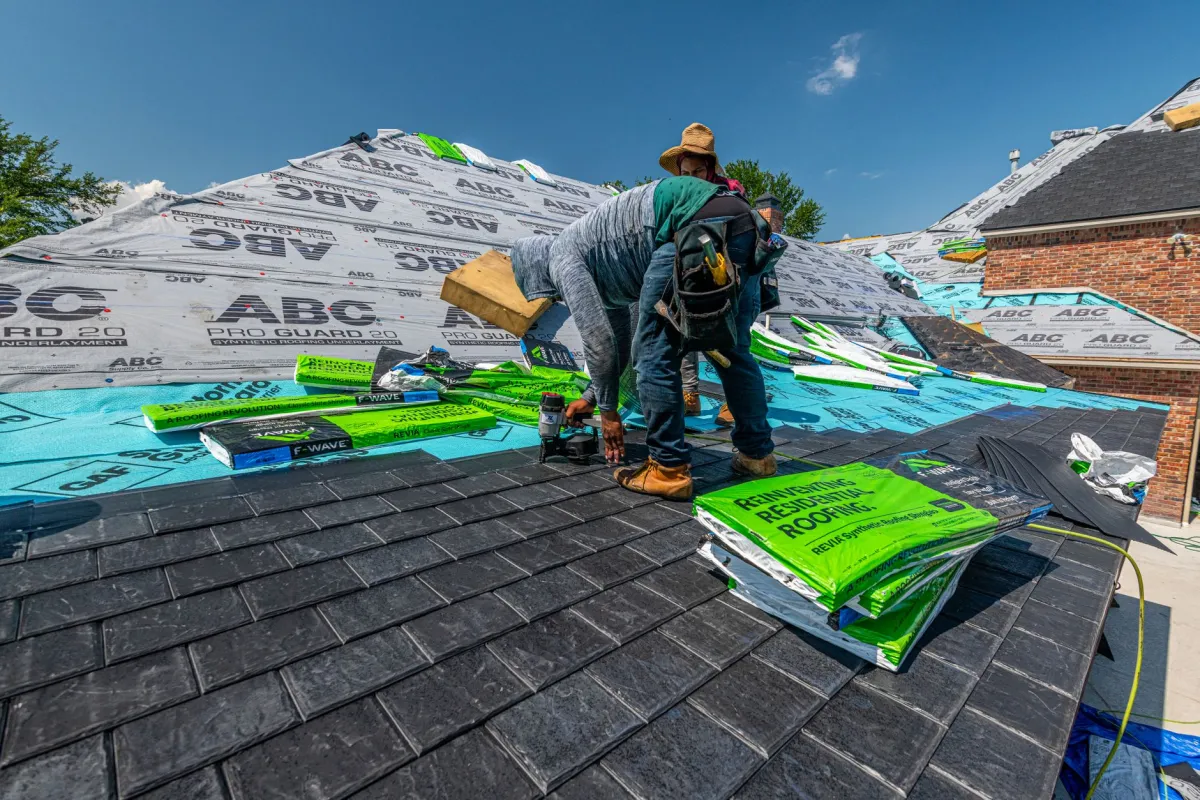
The flashing that keeps a skylight dry is interwoven with the shingles around it, so you cannot properly replace one without disturbing the other. That single fact should drive your scheduling.
If your roof is within a few years of replacement, do both at once: one mobilization, one tear-off, a new flashing kit integrated into new roofing, one contractor responsible for the result. If the roof is going on now and the unit is twenty-plus years old, replacing it during the tear-off costs a fraction of opening a brand new roof back up in five years. Keeping an aging skylight under new roofing also blurs who owns the leak when it comes. On timing the roof itself, see our guide to the best time of year to replace a roof in Pennsylvania.
While the roof is open is also the moment to check the sheathing around the opening. Years of slow seepage rot decking in a ring around a skylight, and that is only visible, and only affordable to fix, with the shingles off.
The Light Shaft Nobody Budgets For
Between the roof deck and your ceiling is a boxed tunnel, the light shaft, and it is where most skylight budgets go wrong. Nothing on the roof is visible from inside; the shaft is the entire visible result.
Three things matter. The shaft walls need insulation, because an uninsulated shaft is a chute of cold surface area that drives condensation all winter. They need an air seal on the warm side, since humid air reaching the cavity condenses where you will not see it. And there is almost always drywall, trim, and paint work once the new unit is set.
If a quote contains no interior line items at all, ask directly who is finishing the ceiling. That one question separates an honest bid from a cheap one.
Permits and Code in Pennsylvania
Pennsylvania regulates construction through the Uniform Construction Code, administered by individual municipalities rather than at the county level. Montgomery County contains dozens of boroughs and townships, each with its own code office, so the authoritative answer comes from yours.
The pattern is predictable. A like-for-like replacement in an existing opening is frequently treated as repair. Adding a new skylight, enlarging an opening, or cutting and reframing rafters is structural and normally requires a permit and inspection, because rafters carry roof load and anything cut must be properly headed off. Several communities also have historic or architectural review. Handle it during planning: a permit question answered before the tear-off is a phone call, and the same question after the roof is open is a stopped job.
What Actually Drives the Cost
Skylight quotes vary more than homeowners expect, and the spread is rarely about the brand on the box. The unit is often the smaller half of the number. These are the factors that move it.
- Whether the opening changes. A like-for-like swap into existing framing is the low end. Resizing or relocating means cutting rafters and rebuilding the shaft.
- Fixed, venting, or solar. Each step up adds mechanism and controls. Rain sensors and motorized blinds add more.
- Roof covering and pitch. Asphalt shingle on a walkable slope is straightforward. Slate, tile, metal, and steep pitches need specialty flashing and more safety setup.
- Low-slope roofs. These need curb height and membrane detailing rather than step flashing.
- Hidden deck rot. Sheathing damage is found after the shingles come off, which is why a good contractor raises it beforehand.
- Interior finish scope. Insulation, drywall, trim, and paint in the shaft. The item most often omitted from a low bid, and the one you look at every day.
- Access and staging. Height, landscaping, and whether the roof is safely reachable with ordinary equipment.
- Count. Three skylights in one visit cost far less per unit than one, because setup dominates a small job.
Compare the invisible items, not the headline figure: whether a manufacturer flashing kit matched to your roof covering is included, who pulls the permit, what happens if rotted sheathing turns up, and whether interior drywall and paint are in scope. Skylights also sit inside the larger picture of exterior renovation work, so if the roof, siding, and gutters are aging together, price them as one plan.
Mistakes That Cost Homeowners Twice
Caulking a flashing problem. Sealant is a maintenance material, not a roof. It buys a season at most over a drainage path running the wrong way.
Keeping an old skylight under a new roof. The savings are real on the day and smaller than the cost of reopening new roofing later.
Treating condensation as a leak. Every dollar spent on the roof is wasted if the water comes from the air inside your kitchen.
Skipping the manufacturer flashing kit. The engineered kit matched to your unit and roof covering is what most warranties are written around.
Leaving the shaft uninsulated. A new high-performance unit over a cold shaft still produces condensation, and the homeowner reasonably blames the new skylight.
Frequently Asked Questions
Is my skylight leaking, or is it just condensation?
The timing tells you almost everything. Water that appears during or shortly after rain, especially wind-driven rain from one direction, is a leak and the cause is usually flashing rather than the unit itself. Water that appears on cold mornings with no rain in the forecast, collects evenly around the inside frame, and gets worse when the kitchen or bathroom below is in heavy use is condensation. Condensation means warm indoor moisture is reaching a cold surface, which points at the glazing, the frame, or an uninsulated light shaft rather than a hole. The two problems have completely different fixes, so chasing condensation with more caulk accomplishes nothing. A straightforward field test is to watch which conditions produce the water over two or three weeks before anyone touches the roof.
How long do skylights last?
A quality modern glass skylight is generally expected to serve somewhere in the range of twenty to thirty years, with the seal between the glass panes usually being the first thing to fail rather than the frame. Older acrylic or polycarbonate dome units typically have a shorter service life because the plastic yellows, hazes, and becomes brittle under years of ultraviolet exposure. The practical consequence for Montgomery County is simple arithmetic: a very large number of skylights in this area were installed during building and remodeling waves in the 1980s, 1990s, and early 2000s, which means a great many of them are now at or past the end of their expected service life at the same time.
Should I replace a skylight at the same time as the roof?
In almost every case, yes. The flashing that keeps a skylight dry is woven into the surrounding roof covering, so replacing the unit means disturbing shingles around it, and replacing the roof means disturbing the flashing around the unit. Doing both at once means one setup, one tear-off, one new flashing kit integrated into new shingles, and one party responsible if anything leaks afterward. Keeping a twenty-year-old skylight in a brand new roof is the opposite: it saves money on the day of the job and frequently costs more later, because when the old unit fails you pay to open the new roof back up and you blur the line of responsibility between the skylight and the roofing.
What is the difference between a curb-mounted and a deck-mounted skylight?
A deck-mounted skylight sits almost directly on the roof sheathing with its own integrated flashing kit, producing a low profile and a clean weather seal, and it is the common choice on new installations and on full replacements. A curb-mounted skylight sits on top of a raised wooden box, the curb, that is built on the roof, and the unit drops onto that curb. Curbs are typical on low-slope roofs, on older installations, and wherever extra height is needed to get the glass above standing water or snow. Replacement is usually simplest when you match what is already there, since swapping between the two styles means rebuilding or removing a curb and reworking the opening and the flashing.
Do I need a permit to replace a skylight in Pennsylvania?
Pennsylvania construction is governed by the Uniform Construction Code, which individual municipalities administer and enforce, so the answer depends on your township or borough rather than on the county. As a general pattern, a like-for-like replacement in an existing opening is often treated as repair work, while enlarging the opening, adding a brand new skylight, cutting new framing, or altering rafters is structural and normally requires a permit and inspection. Montgomery County includes dozens of separate municipalities with their own code offices, and some historic districts also review anything visible from the street. Call your local code office during planning, not after the roof is open.
What does skylight replacement cost in Montgomery County PA?
There is no single number, because the unit itself is often the smaller half of the job. A like-for-like replacement of a fixed skylight in an existing opening on an accessible asphalt-shingle roof sits at the low end. Costs climb with venting and solar-powered models, with motorized blinds and rain sensors, with steep or slate and tile roofs that require specialty flashing and extra safety setup, with low-slope roofs needing curb work, and above all with any drywall, paint, or insulation work in the light shaft below. Interior finish work is the item most often missing from a low bid. The only reliable way to compare prices is to make sure every quote includes the same flashing kit, the same interior finish scope, and the same cleanup. For an estimate on your own home, call Altieri and Sons Construction at 215-416-8783.