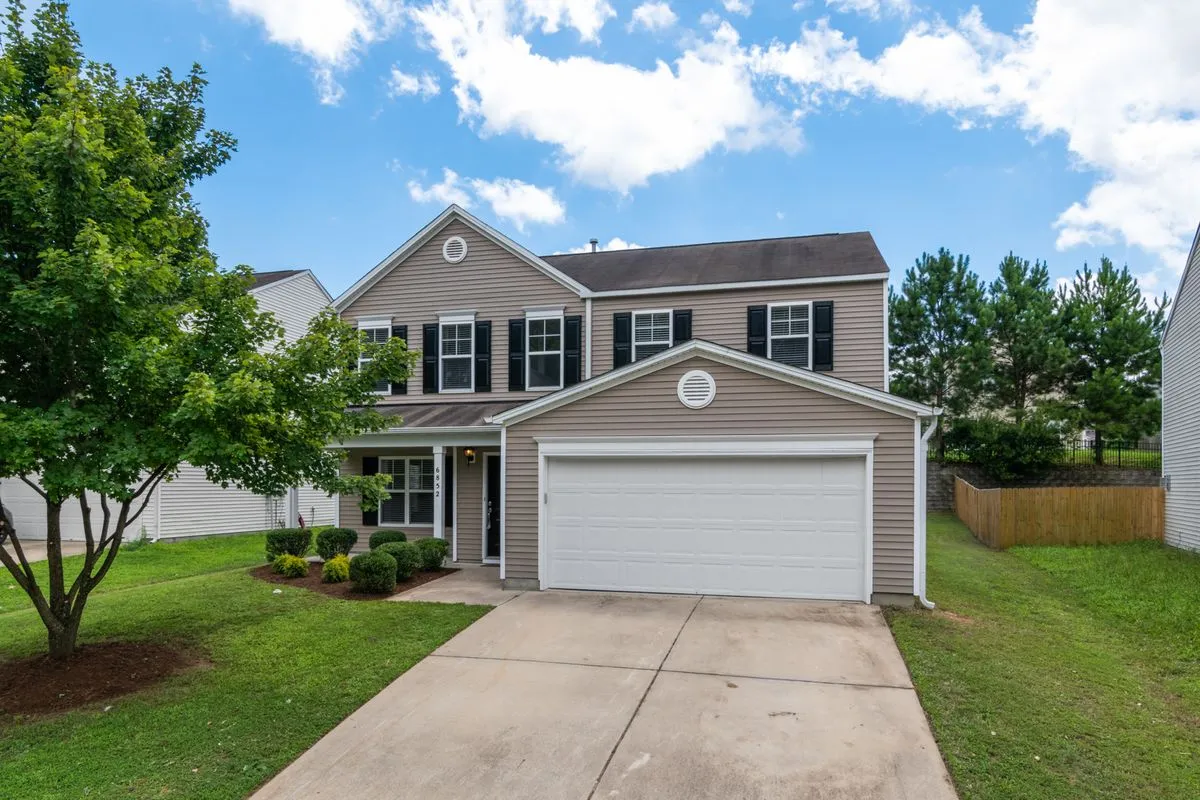
Why Exterior Renovations Matter in Philadelphia
The exterior of your home is its first impression and its primary defense against the elements. In Philadelphia, where housing stock ranges from 18th-century rowhomes in Society Hill to mid-century twins in Northeast Philly to newer construction in the surrounding neighborhoods, exterior conditions vary widely and demand attention on different timelines.
Philadelphia's climate puts exteriors under steady stress. The National Weather Service reports the city averages about 42 inches of rain, 13 inches of snow, and roughly 100 freeze-thaw cycles per year. That combination accelerates deterioration of siding, roofing, mortar joints, and window seals. Delaying maintenance often turns a manageable repair into a full replacement project.
Beyond protection, exterior renovations directly affect property value. The National Association of Realtors consistently ranks exterior improvements -- particularly new siding, roofing, and windows -- among the highest-return home improvement categories. In a competitive Philadelphia market, a well-maintained exterior helps a property stand out to buyers and appraisers.
Siding Options for Philadelphia Home Styles
Choosing the right siding material depends on the age and style of your home, your budget, and any historic district requirements that may apply. Here are the most common options for Philadelphia properties.
Fiber Cement
Fiber cement siding (James Hardie is the best-known brand) is one of the most popular choices for Philadelphia homes. It resists moisture, insects, and fire, and it holds paint for significantly longer than wood. Fiber cement handles the Delaware Valley's freeze-thaw cycles well and comes in lap, shingle, and panel profiles that work with colonial, Victorian, and modern home styles.
Vinyl Siding
Vinyl remains the most budget-friendly option. Modern vinyl siding comes in a wide range of colors and profiles, including styles that mimic wood grain. It requires minimal maintenance and never needs painting. However, vinyl can crack in extreme cold and may warp near heat sources. It is generally not approved for use in Philadelphia's historic districts.
Natural and Engineered Wood
Wood clapboard and cedar shingles are historically accurate for many older Philadelphia neighborhoods. Engineered wood products (LP SmartSide, for example) offer the look of real wood with better resistance to moisture and insects. Wood-based siding requires regular painting or staining to maintain its protective qualities in Philadelphia's humid summers and wet winters.
Brick and Stone Veneer
Many Philadelphia rowhomes and twins feature brick facades that are original to the structure. Rather than replacing brick, these homes typically need masonry repair -- repointing mortar joints, replacing spalled bricks, and addressing any water infiltration issues. Manufactured stone veneer can be added to accent areas on detached homes, adding texture and visual interest without the cost of full masonry construction.
Roofing Considerations
Philadelphia rowhomes most commonly have flat or low-slope roofs, while detached homes in neighborhoods like Chestnut Hill, Manayunk, and Mount Airy often have pitched roofs with shingles. The roofing approach differs significantly between these two types.
Flat and Low-Slope Roofs
Flat roofs on Philadelphia rowhomes typically use modified bitumen, TPO (thermoplastic polyolefin), or EPDM (rubber) membrane systems. These roofing systems require proper drainage -- standing water is the leading cause of flat roof failure. A qualified roofing contractor will evaluate the existing drainage, check for ponding areas, and ensure adequate slope toward drains or scuppers.
Pitched Roofs
Asphalt shingles are the standard for pitched roofs in the Philadelphia area. Architectural (dimensional) shingles offer better wind resistance and a more textured appearance than three-tab shingles, and most manufacturers rate them for 130+ mph winds when properly installed. The International Residential Code (IRC) requires a minimum of one layer of underlayment beneath the shingles and ice-and-water shield along eaves in Climate Zone 4A, which includes Philadelphia.
For homeowners looking at a long-term investment, metal roofing (standing seam or metal shingles) provides a 40-60 year lifespan compared to 20-30 years for asphalt. Metal is more expensive upfront but eliminates multiple re-roofing cycles. For more on timing your roof project, see our guide to the best time to replace a roof in Pennsylvania.
Windows and Doors
Replacing old windows is one of the most effective ways to improve both the appearance and energy efficiency of a Philadelphia home. Single-pane windows, common in older rowhomes and pre-war construction, allow significant heat transfer that drives up heating and cooling costs.
Energy-Efficient Window Options
ENERGY STAR-certified windows for the Northern climate zone (which includes Philadelphia) feature double or triple glazing, low-emissivity (low-E) coatings, and gas fills between panes that reduce heat transfer. According to ENERGY STAR, replacing single-pane windows with certified models can reduce heating and cooling energy use attributable to windows by a meaningful percentage, depending on the home's construction and HVAC system.
The federal Inflation Reduction Act provides tax credits for qualifying energy-efficient window and door installations, making this a financially favorable time to upgrade.
Style Considerations
Window style should match the architectural character of the home and neighborhood. Double-hung windows are the most traditional choice for Philadelphia rowhomes, colonials, and Victorians. Casement windows work well for mid-century and modern homes. In historic districts, the Philadelphia Historical Commission may require windows that replicate the original muntin pattern, material, and profile.
Planning an Exterior Renovation?
Altieri & Sons Construction has been renovating homes across Philadelphia and the surrounding counties since 1976. Siding, roofing, windows, masonry -- we handle it all.
Masonry and Stucco Repair
Philadelphia has one of the largest inventories of masonry construction in the United States. Brick rowhomes, stone twins, and stucco-clad colonials are everywhere, and all of them require periodic masonry maintenance.
Repointing (Tuckpointing)
Mortar joints between bricks deteriorate over time from water penetration and freeze-thaw cycles. Repointing -- removing damaged mortar and replacing it with fresh mortar -- restores the wall's water resistance and structural integrity. For older buildings, it is critical to use a mortar that matches the original in composition and hardness. Portland cement-based mortars that are too hard for soft historic brick can cause the brick itself to spall and crack. Lime-based mortars are generally appropriate for pre-1920s Philadelphia brick.
Stucco Systems
Stucco is common on Philadelphia homes from the early-to-mid 20th century. Cracking, bulging, and water staining are signs of underlying problems -- often moisture trapped behind the stucco due to failed flashing or missing weep screeds. Patching surface cracks without addressing the moisture source leads to recurring failure. A thorough stucco repair starts with identifying and fixing the water entry point, then repairing or replacing the affected stucco sections.
Permits, Historic Districts, and L&I
Philadelphia's Department of Licenses and Inspections (L&I) oversees building permits for exterior renovation work. The permitting requirements depend on the scope of the project.
- Siding replacement: A building permit is generally required for new siding installation. Like-for-like repairs using the same material may be exempt, but verify with L&I.
- Roofing: A permit is required for roof replacement. Some roof repair work may be exempt depending on the scope.
- Windows and doors: Replacing windows in existing openings with the same size units is often permit-exempt. Changing the size of an opening or adding new openings requires a permit.
- Structural changes: Any work that modifies the structure of the exterior wall -- removing or adding openings, changing load paths, or altering the facade profile -- requires a building permit and may require a structural engineer's stamp.
Historic District Overlay
Philadelphia has numerous designated historic districts, including Society Hill, Rittenhouse-Fitler, Old City, Spring Garden, and others. Properties in these districts must obtain approval from the Philadelphia Historical Commission before making exterior changes. The Commission reviews proposed materials, colors, window styles, and facade details to ensure compatibility with the district's architectural character.
Even outside designated districts, individually designated historic properties are subject to the same review. Your contractor should verify the property's historic status early in the planning process to avoid delays and rework.
Curb Appeal Upgrades That Add Value
Not every exterior renovation needs to be a full-scale project. Targeted upgrades can significantly improve a home's appearance and value without the cost of a complete overhaul.
- Entry door replacement: A new front door is consistently ranked among the highest-ROI exterior improvements by Remodeling Magazine's annual Cost vs. Value report. A steel or fiberglass door with modern hardware and weatherstripping improves both appearance and security.
- Exterior painting or power washing: A fresh coat of paint on wood siding, trim, and shutters transforms a tired facade. For brick and stone, professional power washing removes years of grime without damaging the masonry.
- Porch and step repairs: Philadelphia rowhomes often have concrete or stone stoops and steps that crack and settle over time. Repairing or rebuilding steps improves safety and appearance. For more about concrete work, see our concrete cost guide.
- Lighting and house numbers: Updated exterior lighting fixtures and visible house numbers are small investments that contribute to curb appeal and make the home feel cared for.
- Gutter replacement: Sagging or damaged gutters detract from the roofline and signal deferred maintenance to prospective buyers. New seamless aluminum gutters are a practical and visual upgrade. Learn more in our gutter installation guide.
Choosing an Exterior Renovation Contractor
Exterior renovation work involves multiple trades -- siding installers, roofers, window specialists, masons, and painters. Coordinating these trades and managing the project timeline requires a general contractor with experience in exterior work.
What to Verify
- PA home improvement registration: Pennsylvania's Home Improvement Consumer Protection Act (HICPA) requires contractors to register with the Attorney General's office before performing residential work over a certain dollar threshold.
- Insurance: Confirm general liability and workers' compensation coverage. Exterior work often involves ladders, scaffolding, and elevated surfaces that increase liability exposure.
- Philadelphia business license: Contractors working in the city need a Philadelphia business license and relevant trade licenses.
- Historic district experience: If your property is in a historic district, choose a contractor who has navigated the Historical Commission approval process before and understands the material and design requirements.
Altieri & Sons has been serving Philadelphia and the surrounding Pennsylvania and New Jersey counties since 1976. We handle siding, roofing, windows and doors, masonry, and complete exterior renovations. Request a free estimate or call 215-416-8783 to discuss your project.
Ready to Transform Your Home's Exterior?
Altieri & Sons Construction is a family-owned contractor serving Philadelphia and the Greater Philadelphia area since 1976. Licensed, insured, and committed to quality.
Frequently Asked Questions
Do I need a permit for exterior renovations in Philadelphia?
Most exterior renovation work in Philadelphia requires a building permit from the Department of Licenses and Inspections (L&I). This includes new siding installation, roofing replacement, window replacements that change the opening size, and any structural modifications to the facade. Minor repairs using like-for-like materials may be exempt, but it is always safer to verify with L&I or your contractor before starting work.
What is the best siding material for Philadelphia rowhomes?
Fiber cement siding (such as James Hardie products) is widely considered the best option for Philadelphia rowhomes. It resists moisture, does not rot or attract insects, holds paint well, and withstands the freeze-thaw cycles common in the Delaware Valley. Vinyl siding is a more budget-friendly alternative, though it can crack in extreme cold and may not be permitted on historic-district properties.
Are there tax credits for energy-efficient exterior upgrades in Pennsylvania?
Yes. The federal Inflation Reduction Act provides tax credits for qualifying energy-efficient home improvements, including ENERGY STAR-certified windows, doors, and insulation installed as part of an exterior renovation. As of 2026, homeowners can claim up to 30% of the cost of qualifying improvements, subject to annual limits. Consult a tax professional for eligibility details specific to your project.
How do historic district rules affect exterior renovations in Philadelphia?
Properties in Philadelphia's designated historic districts must obtain approval from the Philadelphia Historical Commission before making changes to the exterior. This includes siding, windows, doors, roofing materials, and facade details. The Commission reviews applications to ensure proposed changes are compatible with the district's architectural character. Work done without approval can result in fines and a requirement to restore the original appearance.